EKIP– Expert Club for Economics and Politics A Different Opinion
Pension funds have achieved nearly 4.5% returns in recent years, and the government plans to oblige insurers under the voluntary pillar to provide forecasts for future pensions. Is there light at the end of the tunnel and what kind of pensions will we receive in 5, 10 or 20 years?
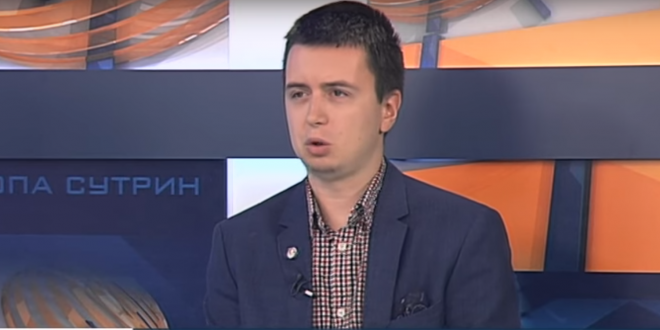
These are the topics that our editor-in-chief Georgi Vuldjev explained in the morning block of TV Europe this Wednesday. Regarding the profitability of private pension funds from the second pillar of the pension system, Vuldjev specified that its decline between the second half of 2017 and the first of 2018 is an expected development given the still low profitability of government securities in Europe, the correction of the stock markets in early February and the subsequent stagnation, as well as the 100-point drop in the BSE index - SOFIX. In addition, the low profitability of employees' savings is also due to inadequate state regulation in the field of mandatory supplementary pension insurance.
In view of the current lack of political will for pension reform and the deteriorating financial condition of the system, we recommend that every working citizen take their financial future into their own hands and save a portion of their income in their own account. Hear more in the video:
Regarding the state of the pension system in the country as a whole, Vuldjev emphasized the problems with the deficit in the first (state) pillar of pension insurance, which are due to the combination of the financially unstable cost-covering mechanism and negative demographic trends. The solution to this problem is the transition to a fully market pension system operating on a capital-covering principle, in which the money of each insured person is accumulated in an individual account and invested. You can read more about the problems of the pension system and the solution proposed by the EKIP in our report on the topic.