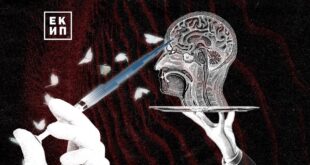
Дубай – допаминът на примитивния български "елит" „Душата ти се нуждае от средновековно средиземноморско селце, не от Дубай“. „Трябва ти пълнокръвно приключение, вместо инфлуенсърска имитация на преживяване в модерното и „текущо“ място...“ Подобни послания се прокрадват из социалните мрежи като опит за отговор на нарастващата гравитация на най-големия и важен …
More »IV National Catastrophe? The 100-year echo, relevant 1 century later
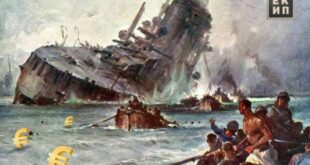
The frantic rush to the eurozone to “sit at the table of the rich” leaves a particularly bad taste in the mouth, reminiscent of the botched negotiations with allies (and later enemies) from the Balkan wars, which played a decisive role in the onset of the First National Catastrophe. The colleagues from the EKIP have well described the tragedy of the eurozone and are …
More »How did we come to hate capitalism?
The question in the title is too general and a bit misleading, because not all of us hate capitalism. For a large part of the people in Bulgaria, however, the market economy is a necessary evil that they come to terms with, that they tolerate, but with gritted teeth. Some hate capitalism because of nostalgia for the good old days, others because they think, …
More »On the harm of education
Широко разпространено клише гласи, че образованието е универсално полезно, че който се учи, той ще сполучи, а „науката е слънце“. Икономическият превод на това твърдение намира израз в хипотезата на Нобеловия лауреат Гари Бекер, че образованието е инвестиция, която дава високи доходи, защото увеличава производителността. Здравият разум предполага общоприетите истини …
More »The price of "free"
There are hardly many people who would not accept free consumption of goods or services. However, free should be in quotes, because someone always pays the price in some form. It does not have to be paid in money, it is possible that those who consume do not realize that they are paying, it is possible …
More »Who is the dog barking for?
The dog in the title is the State Security (DS) – the secret services of Bulgaria during the communist regime (1944-1989). Their numerous functions also include monitoring various aspects of the country's economy. The preserved authentic documents with which the DS representatives informed the political leadership about the economy of Bulgaria are important and interesting. …
More »We'll make everyone mad.
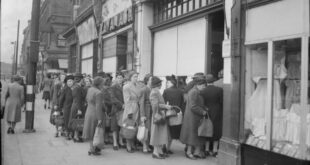
On October 29, 1940, from the rostrum of the XXV Ordinary National Assembly, the deputy from the government majority, Gavril Lenkov, declared: "if it is necessary to enrage the speculators in Bulgaria, we are ready to legalize this sanction." The context of his threat is important. After the start of World War II in September 1939 ...
More »How is speculation (not) tamed?
The ideas and historical events discussed in this article can also be seen presented in this video. Speculation, in the words of economist Assen Hristoforov, is an action by a producer, entrepreneur, or trader "with the intention of realizing more than normal profits in a relatively short period of time thanks to the special state of the market." …
More »The financial coup in Bulgaria of 1947
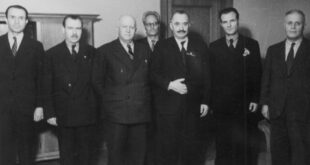
The year 1947 in Bulgarian history is associated with the implementation of an important monetary reform. It is part of a chain of profound and comprehensive changes that led to the establishment of a Stalinist economic and socio-political model: nationalization of industry, adoption of a new constitution, elimination of the parliamentary opposition, collectivization of agriculture, etc. The important lessons …
More »"Book rags without any value"
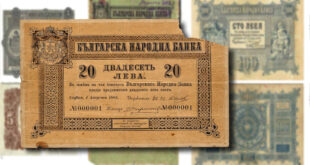
In 1928, with these words, the Bulgarian economist G. Toshev characterized paper money in conditions of inflation. His definition was the result of the experience gained during the First World War (1914-1919) and after it. This was the first clearly outlined inflationary wave in the history of post-liberation Bulgaria. The monetary system of …
More »
EKIP– Expert Club for Economics and Politics A Different Opinion