 EKIP– Expert Club for Economics and Politics A Different Opinion
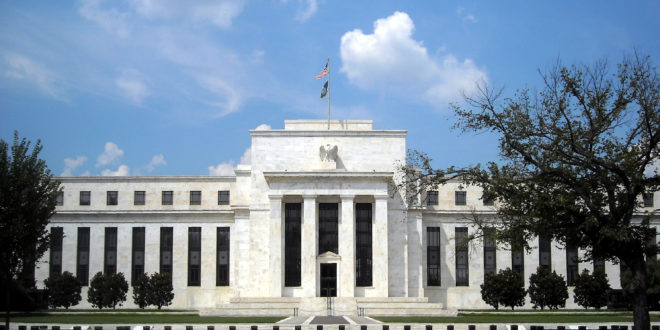
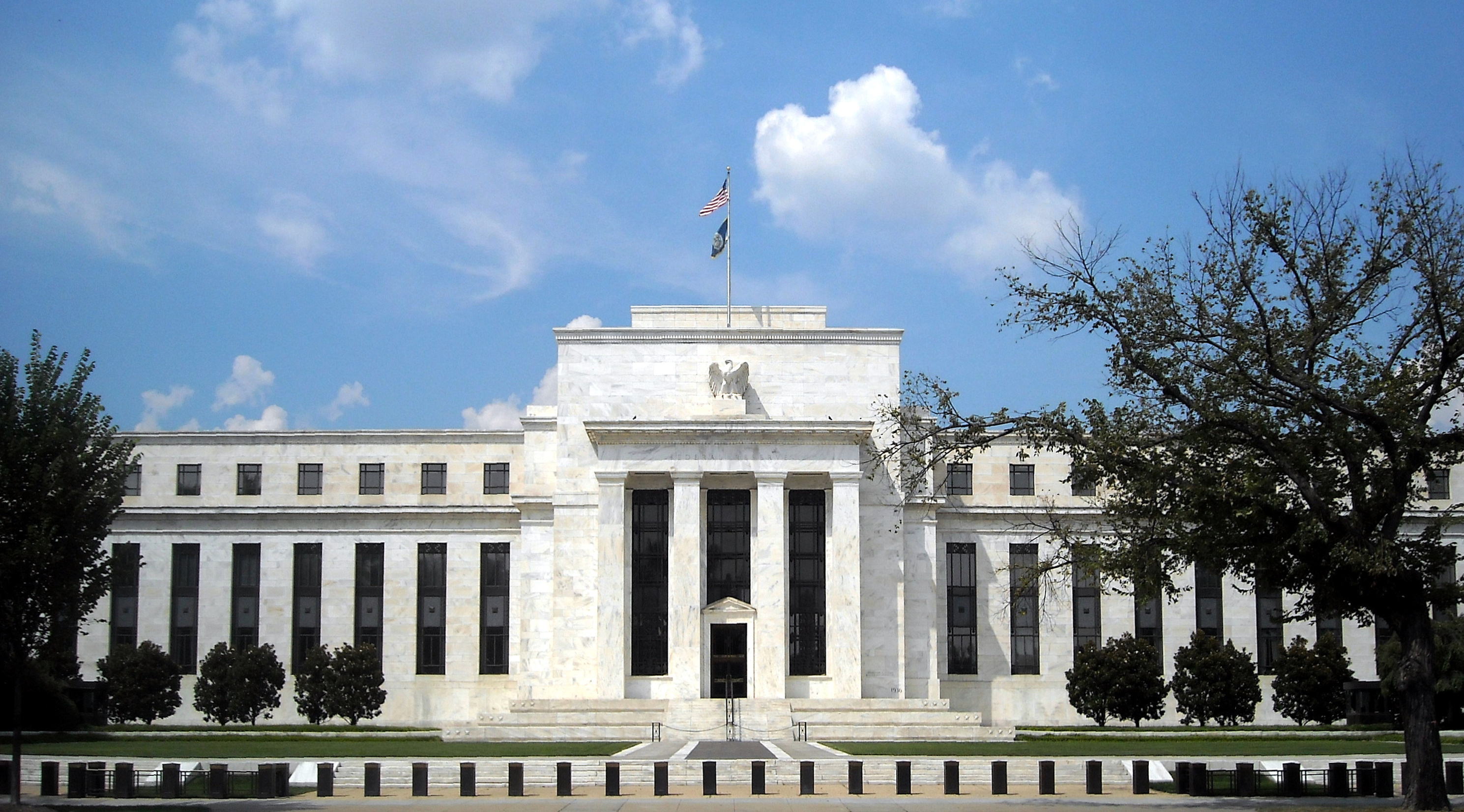 On December 14, the chair of the Federal Reserve, the central bank of the United States, officially announced the increase in the institution's main interest rate by 25 basis points, from 0.25% to 0.50%. This is the first interest rate hike by the Fed since December 2015, although Yellen initially said that we would see three to four interest rate hikes this year. After a long delay, the Fed finally decided to undertake another hike, which the markets expected with a very high level of certainty. Yellen said that we can expect three to four interest rate hikes in 2017, but we heard the same thing at the end of 2016. Why Yellen chose to raise interest rates now and what the effects of this decision will be are the key questions on the answers to which the Fed's actions in 2017 depend.
Why did the Fed raise interest rates?
The truth is that the Fed has finally simply run out of excuses for further delays.
The election of Donald Trump has sparked euphoria in the financial sector and capital markets, which have shot to record highs in the past few weeks. Meanwhile, virtually all the important real sector statistics released in the past month indicate that the state of the US economy is improving significantly. Unemployment fell to 4.6% in November, the lowest level since August 2007, while price inflation reached its highest level in 2 years in October, after which it continued to rise in November. Inflation and the unemployment rate are the main indicators that the Fed monitors when it comes to monetary policy - if inflation is rising rapidly and unemployment is low, the Fed usually raises interest rates, and if inflation is falling or stagnating and unemployment is rising, the Fed either lowers or keeps interest rates stable.
At the end of November, the US corporate sector reports for the third quarter of this year were also published, which showed that large companies in almost every sector of the US economy improved their financial condition during the period July-September. The largest increase in profits was noted in the real estate sector (35.0%), utilities (16.4%) and the financial sector (8.0%). The state of the latter largely dictates the dynamics of the capital markets, especially when it comes to the largest such index in the US – the S&P 500, which grew by 3.9% over the past month.
Given all these positive developments over the past month, the Fed has no excuses to continue delaying its long-awaited interest rate hike. The last time it raised rates was last December, when Yellen said there would be three or four more hikes this year. However, this did not happen due to a number of unpleasant developments - in the first quarter of the year, equity markets suffered a huge downward correction, while corporations continued to accumulate losses, and in the second quarter, the Brexit vote in June brought a lot of uncertainty to the future of economic activity at a global level. In addition, Yellen was very likely afraid of causing a more serious correction in financial markets just before the US presidential election, which could also affect their outcome.
What effects should we expect?
When a central bank raises interest rates on deposits by private banks, it always means one thing – less and more expensive lending by the banking sector. This is good for the banks – higher interest rates mean more revenue and an increase in their current interest margin. This is not good for non-financial corporations in the US, however, most of which are heavily indebted and heavily dependent on cheap credit to maintain their current level of profit. Raising interest rates means more costs and therefore lower profits for these corporations, and this pushes the marginal market players – those companies that are currently on the verge of bankruptcy and only low interest rates allow them to continue their operations – into bankruptcy. It is precisely because of this factor that we are very likely to see a correction in US capital markets within the first quarter of 2017, similar to the correction we witnessed at the beginning of this year, when the S&P 500 index fell by nearly 10% within a month.
This time, the correction is unlikely to be as large, largely because the state of the U.S. energy sector has stopped deteriorating since oil prices have relatively stabilized this year. In late 2015, U.S. corporate profits were generally falling, even before interest rate hikes. This time, that is not the case. As I noted, corporate health is better now than it was before, and it looks set to improve even further if Donald Trump delivers on his promise of sweeping tax and regulatory reforms. For these reasons, the Fed’s current rate hike is unlikely to have as severe an impact as the previous one.
As for the currency markets, since raising interest rates will lead to lower inflation, this means an increase in the value of the dollar, which has been rising anyway since Trump was elected president. Given the fact that while the Fed is raising interest rates, other central banks such as those in the EU, Japan and the UK are keeping their rates lower, and many of the larger economies, most notably China, are slowing their growth rates, the dollar is likely to be the safest investment in the currency markets over the next few months. Of course, if the effect of raising interest rates is so serious that it causes a recession, the value of the dollar will fall, but in current market conditions this is unlikely to happen after a single increase of 0.25 percentage points. Raising interest rates will naturally also lead to an increase in the yield on government bonds (government securities).
These two effects – the increase in the value of the dollar and the yield on government securities means a decrease in the price of gold. Gold is a hedge against a weakening currency (due to inflation) and low yields on government securities and other types of bonds. That is why the Fed's decision to raise interest rates means that the demand for gold will decrease, and accordingly the price will fall in the short term.
What to expect from the Fed in 2017?
In her official statement, Janet Yellen indicated that the Fed plans at least three rate hikes in 2017. This is certainly not going to happen. The economic situation, both in the US and in the rest of the world, is still too uncertain for the Fed to afford to raise rates so quickly. If we see three rate hikes in 2017, it is very likely to lead to a recession in the long run, and Yellen would never take that risk. Since becoming Fed chair in late 2013, her approach has been extremely cautious and she has clearly sought to postpone any rate hikes for as long as possible.
By allowing a one-year gap between the first (late 2015) and the second hike now, Yellen was likely trying to give US businesses as much time as possible to adjust to the slightly higher cost of borrowing before raising it again. Only after there were indications that businesses had adjusted successfully and the state of the economy was noticeably improving (as has happened over the past month) was Yellen inclined to raise rates again.
This process will likely repeat itself in 2017, but this time the probability of two rate hikes in a year is higher than before (but we almost certainly won’t see three). The key factor here is Donald Trump and his economic plan. If he delivers on his promised massive tax cuts, combined with higher infrastructure investment, this would lead to a pick-up in the pace of growth in the US economy, allowing the Fed to raise rates twice in 2017.
The problem is that while Trump talks about lower taxes and stimulating private infrastructure investment, he doesn’t talk much about cutting government spending – something that needs to happen to avoid higher deficits and rising government debt. And rising government debt in the context of rising interest rates is a problem because it means higher costs to service that debt. It remains to be seen how the actions of the Trump presidency and those of the Federal Reserve will influence each other. The future development of the American economy depends on this interaction.





It's funny because they want to do it the old way, that is, it's tragic, it's scary because the crisis is systemic and I've explained it - https://www.facebook.com/atanas.shalapatov/posts/1752811994997027
Specifically for the US, high interest rates mean more budget spending and taxes are being cut, so where will the money come from for these interest costs, etc. infrastructure projects that Trump plans to do??? - apparently we are heading towards a 1 trillion budget deficit again
The couple needs to understand the reasons for the growth, the reduction in taxes and business regulations - ask Art Laffer 😉