EKIP– Expert Club for Economics and Politics A Different Opinion
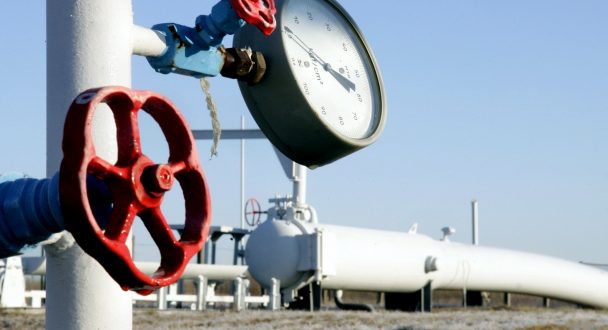
The media loves to overexpose events attended by the leaders of major oil and gas producers. Geopolitics, spheres of influence and interests are immediately discussed. The Gas Exporting Countries Forum (GECF) summit in early July was no exception. Once again, the thesis that gas producers are aiming to create a cartel to keep gas prices high was repeated.
 In fact, the leaders of the forum did not talk about a cartel, it is a dangerous word and each of them knows how harmful such hints can be for their main customers. Of course, we should not be naive. A cartel agreement between the countries would be a good strategy for them - it would mean at least initially big profits, more influence and more security for market share. However, the member countries of the organization are well aware that there are structural circumstances that prevent the creation of an effective cartel.
International gas markets have undergone dramatic changes over the past 10 years. The modernization of hydraulic fracturing technology made shale gas exploration economically viable and almost overnight transformed the United States into the world’s largest gas producer. The shale revolution coincided with the expansion of international trade in liquefied natural gas, which made gas supplies more liquid and markets, especially in Western Europe, more competitive. The sharp decline in American gas imports led to a glut in the market in other parts of the world. Large exporters of liquefied natural gas such as Qatar, Trinidad, Indonesia and Malaysia began to redirect their supplies to Europe and East Asia. At distribution centers in Western Europe, prices fell, and spot trading went from being a rarity to the norm. However, for now, long-term, oil-indexed contracts prevail in most hubs. They provide certainty for producers and an incentive to increase production.
The Gas Exporting Countries Forum (GECF), which the mass media calls a gas cartel, including the largest producers and exporters of natural gas, aims precisely to stop changes in world gas markets, preserving oil indexation and the security of long-term contracts. This is especially important for Russia, Algeria, Iran, but increasingly for Qatar (the largest exporter of liquefied gas in the world). However, the structural characteristics of gas markets, as well as the geopolitical distribution of power in Eurasia, hinder cooperation between gas giants. Trade in liquefied gas, pressure on oil indexation, growing competition from countries outside the Forum are only some of the missing elements for the functioning of a successful cartel. The political configuration also hinders, because the energy sectors of these countries are key to their political and economic survival. The battle for markets is the basis of their relationships, not understanding and common interests. A change in the status quo can only occur under two conditions: 1) a large-scale strategic partnership between Qatar and Russia to share the gas markets and 2) a horizontal expansion of the size of the reserves owned by the Forum.
The first element depends on the structure of gas markets and the ability of Russia and Qatar to find a common language on Middle East issues. The second means expanding the membership of the gas organization, including major producers from the former Soviet Union, Saudi Arabia, but also some of the new Western players such as Australia and Canada. A gas OPEC can only exist if the market becomes global, similar to the oil market. Then the dependence of producers on their customers will decrease and they will be able to manipulate world prices more easily. In the conditions of shrinking demand for natural gas due to high prices in Europe and Asia, as well as cheaper substitutes, at first the main gas exporters will strive to maintain long-term contracts with fixed sales clauses at prices indexed to oil.
You can download the entire analysis here. (pdf)
* The analysis was first published in the 58th issue of the Oil and Gas Research Bulletin of the Center for Balkan and Black Sea Studies – Sofia, September 2013.