 EKIP– Expert Club for Economics and Politics A Different Opinion
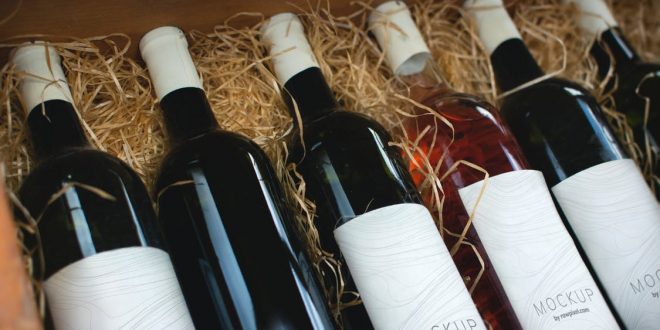
The global wine market is driven by wine consumption habits, rapid urbanization, changing lifestyles and high incomes, popularity of wine products during holidays, as well as an aging population that prefers wine over other hard drinks. Wine consumption is increasing across the globe and this is mainly due to the increased wine consumption by the younger generation. Heavy taxation and legal regulation by governments would hinder the growth of the market. The growing popularity of craft beer is also among the major restraining factors for the wine market. The craft beer market has increased by 500% in the last ten years and has quadrupled its market share over the same period in North America. The major opportunities for the wine market are innovative wine products with different flavors and growing demand for wine in non-traditional markets.
By region, the European Union is the market leader in wine production, consumption and trade, accounting for half of the market share. Italy, Spain and France are the countries that account for half of the world's wine production. North America is the other major region, with the United States being the country with the highest per capita wine consumption, with an average annual consumption of 12 liters per person. The United States is also the largest wine producer in North America. In South America, Argentina and Chile are the main producers and consumers of wine. The Asia-Pacific region is the fastest growing market for wine consumption, supported by the high degree of adoption of Western culture and lifestyle. China, Japan and India are the major markets in this region. Africa is growing at a slow pace, with South Africa being the largest wine market on the continent.
Since the 2008 financial crisis, investors have become much more cautious about their investments – all the more so as a result of market volatility and record low interest rates over the past decade. This unpredictability has led to increased demand for diversified investments, including so-called “passion assets” (investments in fine art, watches, wine, vintage and classic cars). Real estate consultancy Knight Frank said that 68% of respondents to its annual survey, published here, said that their high-net-worth clients are increasingly interested in these investments. In Knight Frank’s 2017 Luxury Investment Index, eight out of ten investments have seen growth over a 10-year period. From the fourth quarter of 2007 to the fourth quarter of 2017, the value of wine has increased by 192%.
One of the main advantages of investing in wine is that it has a huge consumer and collector demand. Technavio’s forecast for global wine consumption for the period 2018-2022 is for growth of around 2% each year. Let’s look at the other side of the coin, namely supply. Global wine production has fallen to an all-time low, with the International Organization of Vine and Wine confirming that production is at its lowest level since 1957. In investment terms, this means that wine has become more attractive as a commodity, based on the economic laws of supply and demand.
Historically, wine has performed well and also has the advantage of being a duty-free asset. There are many ways to invest in wine, whether through a winery, physical wine or shares in companies in the sector. Because investing in this sector is specific, there are advisory companies such as Cult Wines. They are an award-winning global leader in wine collection management services. The company has been included in The Sunday Times Fast Track 100 for three of the last four years and won the prestigious Queen's Award for Enterprise: International Trade in 2017. Cult Wines has seen significant growth since its inception in 2007. In addition to its headquarters in London, it has offices in Hong Kong and Singapore.






It would be good to give specific examples for Bulgaria. It is a reasonable question why there is not a single public campaign in this field. In principle, the debate should be about investments in agriculture and its problems, because the de facto potential for growth in wine production has already been exhausted. Problems with labor, land use, access to irrigation, infrastructure problems, etc. are common to all agriculture.