EKIP– Expert Club for Economics and Politics A Different Opinion
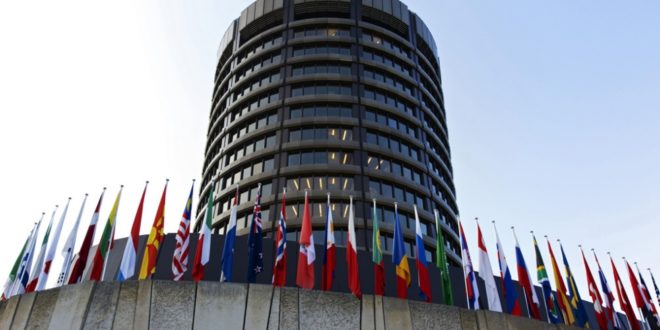
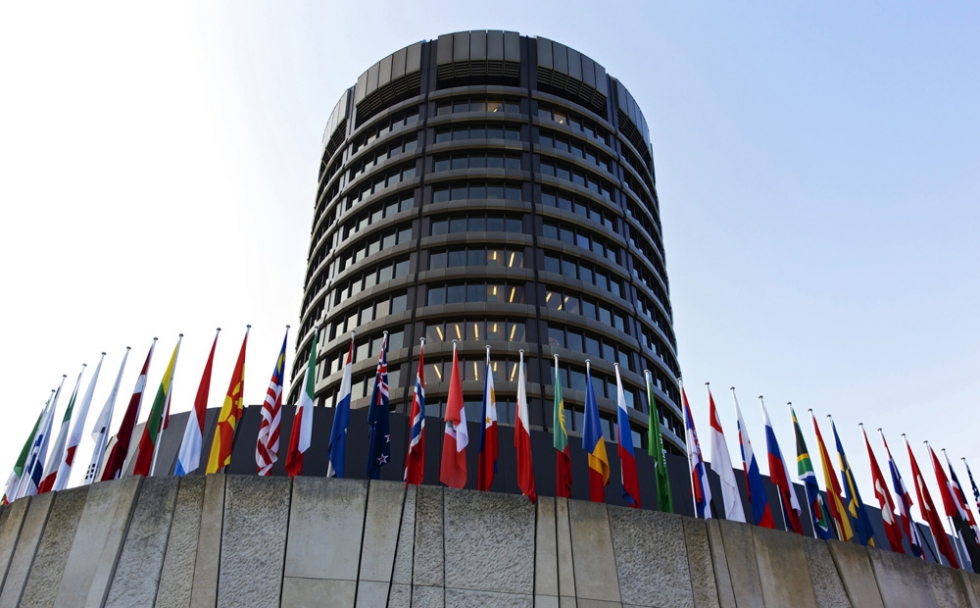
Almost six years after the Lehman Brothers bankruptcy, which officially marked the beginning of the last global financial crisis and the Great Recession that followed, almost all international institutions of the International Monetary Fund (IMF) rank continue to advise governments around the world to use various forms of fiscal and monetary stimuli to set the wheels of economic growth in motion. And while from time to time these institutions also issue sensible advice on structural reforms, liberalization of various sectors of the economy and measures aimed at fiscal consolidation and, accordingly, reduction of public debt, only the Bank for International Settlements (BIS) has been bold enough to raise the issue of the bubbles that have formed and the risk of a collapse in financial markets, comparable in scale at least to the collapse that occurred after the Lehman Brothers bankruptcy.
According to a statement by the head of the BIS, Jamie Caruana, in mid-July, the global economy is vulnerable to a financial crisis as in 2007, but this time the risk and possible consequences are even greater as the debt levels of developed and emerging economies are higher by 20 percentage points to 275%/GDP and 175%/GDP respectively. According to Mr. Caruana, investors are ignoring the risk of tightening monetary policy, and low interest rates create incentives for continued debt issuance, much of which is borne by high-risk creditors.
The BIS also warns of the euphoria in the stock markets, where stock indices break new record levels every week, and volatility is already at unprecedented lows. According to the BIS, there is a lack of connection between the developments in financial markets and the fundamental state of the global economy due to the huge amount of liquidity poured in by central banks over the past six years. However, unlike in 2008, emerging markets cannot currently play the role of a “savior” because they themselves hide many risks.
Jamie Caruana also finds himself in opposition to institutions such as the IMF, which believe that measures should be taken (mainly in Europe) aimed at preventing deflation and even low inflation for a prolonged period of time. According to Caruana, the role of deflation in world economic history should not be exaggerated, and regarding the measures taken by global central banks over the past six years, he says that he finds something strange in addressing the problem of high debt levels by stimulating even more indebtedness.
The BIS, often called the central bank, was warning of risks to the global financial system even before the Lehman Brothers collapse, and in connection with the rhetoric and advice used by the institution, it is often associated with the Austrian School of Economics. Although the BIS denies the latter, it is not difficult to notice many similarities in the warnings issued by the international banking institution and economists from the Austrian School. And although these similarities inspire a certain amount of positivism, the warnings issued about the looming danger to the global financial system seem increasingly real.