 EKIP– Expert Club for Economics and Politics A Different Opinion
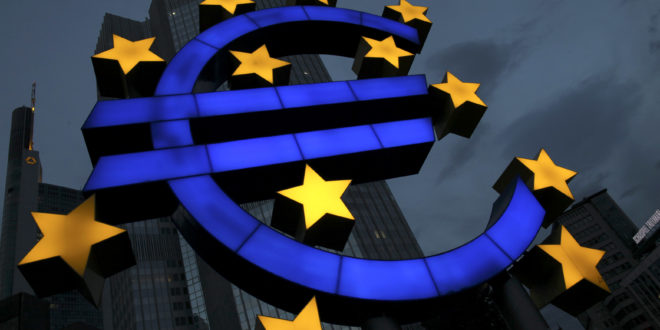
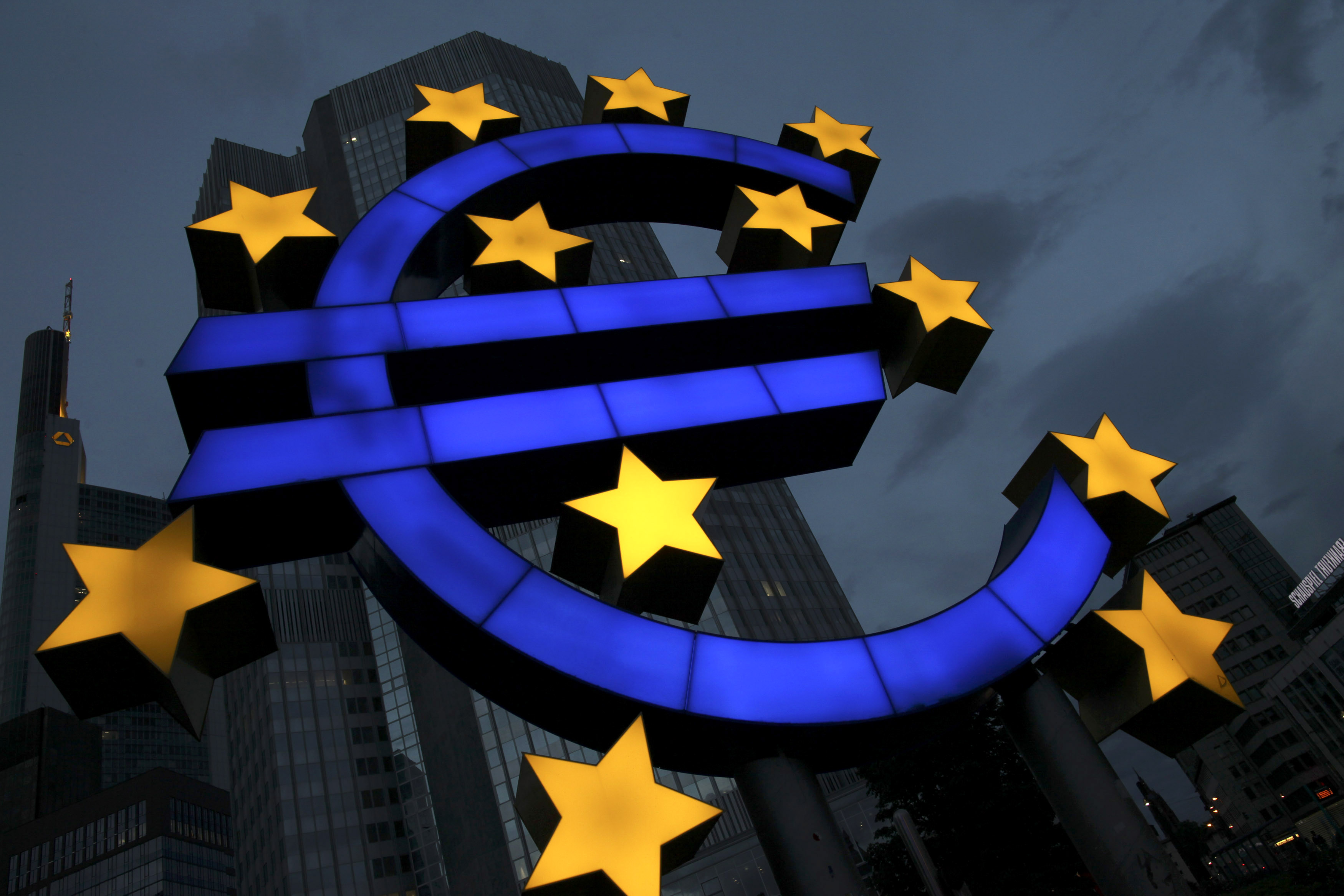
‘The European Central Bank (ECB) is the central bank responsible for the single European currency, the euro. The ECB’s primary task is to maintain the purchasing power of the euro and, consequently, price stability in the euro area. The European Central Bank is committed to carrying out all central banking tasks entrusted to it efficiently, striving for the highest level of integrity, competence, efficiency and transparency in carrying them out.’ (1)
This is the mission of the ECB, according to the institution’s official website. However, it seems that this same institution was also involved in racketeering at the height of the eurozone financial crisis. According to the revelations of the governor of the central bank of Ireland, the ECB forced the Irish government to save its banking system from bankruptcy with taxpayers’ money in 2010, otherwise the ECB threatened to turn off the “tap” of liquidity operations to the Irish financial system. In this way, the Irish government saved the creditors of its banking system, most of whom were of English, Dutch, Belgian and German nationality. ECB representatives, together with colleagues from the European Commission and the International Monetary Fund, told the Irish government that if it let these creditors bear the losses on their investments in the banking system, the country would not receive financial assistance from the Troika (composed of these same three institutions).
This is not the only case of the ECB interfering in the internal affairs of a country in the currency bloc. In 2011, after refusing to comply with the central bank's demands, then-Italian Prime Minister Silvio Berlusconi was forced to resign after the ECB threatened to stop buying Italian debt, a measure that could lead to a collapse in bond prices and a rise in interest rates in the short term.
It seems that the ECB is doing much more than its official mandate, which calls into question the very existence of this institution. In the case of Ireland, after the bailout of the banking system and the provision of financial assistance by the Troika, the country's public debt has jumped from 25% of GDP in 2007 to 124% of GDP at present. Let the Irish citizens, especially the younger ones, who will be paying this off for many, many years, think about it.
Here I would like to share a little personal experience from my contact with bureaucrats from the ECB. Last year I had the opportunity to attend a 4-week Reuters course, which included a day dedicated to visiting this institution, accompanied by a question and answer session with economists from the central bank. When asked about the role of the ECB in the Troika rescue programs provided to troubled Greece, Ireland and Portugal, representatives of the institution made it clear several times that the ECB only has advisory functions in this “triple coalition” and is not responsible for the decisions made. It turns out that racketeering and interference in the politics of eurozone countries counts as consultation.
In this vein, we must ask ourselves how much we need institutions like central banks, because the power that these “fiat money printers” have is much greater than people think. And the actions that are taken to protect certain interests threaten the individual and economic freedom of each of us. And does Bulgaria need to enter the eurozone if this means transferring the country’s sovereignty into the hands of a handful of arrogant bankers who will decide our future?
Sources:
https://www.ecb.europa.eu/ecb/orga/escb/html/mission_eurosys.bg.html (1)





There is reason in what is written, but there is also logic in the actions of the ECB. In the case of Ireland, for example, the logic is that the money given by English, Dutch, Belgian and German creditors ultimately and as a whole entered the economy of Ireland and therefore must be returned by it. That is, the "blackmail" by the ECB can be considered a punishment for Ireland for allowing speculative lending and inflating a property bubble. If the Irish central bank had imposed stricter criteria for lending, this would not have happened. This is one point of view. The other is whether the ECB has the formal right to refuse (liquid or other) support to a member country. But in any case, there was some balancing of the losses and it is unlikely that all of them were borne by Ireland. In the case of Italy, there is nothing to talk about - someone has to put the finances of this country in order and if there is no one else, then let the ECB be the bad cop.