 EKIP– Expert Club for Economics and Politics A Different Opinion
- Equity markets stagnate, debt markets generate higher profits
- SOFIX also stagnates, private pension fund yields continue to fall
- Central bankers are already visibly worried about the coming recession, the ECB is initiating a new round of cheap loans for the banking system
- Going forward, debt instruments (bonds, especially government bonds) will most likely perform better than equity instruments (stocks and the like)
Market growth continued to slow in March. The US S&P500 rose by only around 1.3% for the whole month, while the German DAX stagnated, failed to achieve growth for the month, and even fell slightly. The dynamics of the UK FTSE 100 were very similar, where despite concerns about the unclear future of Brexit, the index managed to achieve weak growth of around 1.2-1.3% for the month. These movements show that market growth as a whole stagnated in March, which is an expected development in view of the many and prolonged negative news that have appeared in recent months, specifically about economic developments in Europe.
German industrial production has already fallen significantly for three consecutive months, and this was bound to have a negative impact on the DAX's movements sooner or later. In England, internal political conflicts over Brexit have escalated to such an extent that the current parliament of the country seems completely incapable of making a decision on the subject, which makes the economic future of the Kingdom extremely uncertain and exacerbates the risks associated with a no-deal Brexit. In such a situation, the anemic growth that is being observed is not small.
In Bulgaria, the situation was no different. SOFIX completely stagnated in March, which is, however, a slight improvement compared to February, when a certain decline was reported. In March, the downward trend that the BSE index had entered in the previous months seemed to slow down. The profitability of pension funds in Bulgaria slowed for the second consecutive month in March and fell to 0.42%, compared to 0.76% in February. An expected development, given the stagnation of all markets during the month.
On the other hand, alternative investment strategies, such as Harry Brown's Permanent Portfolio, which we mimic in our Virtual Pension Fund, performed better. The portfolio's return jumped to 1.39% in March, from 0.45% in February, outpacing pension fund returns. This was largely due to the strong returns that long-term government bonds delivered during the month. Vanguard's exchange-traded fund, which specializes in government bonds with maturities of 20+ years, returned 5.57%, far outpacing stocks and falling short of the 1.60% decline in gold.
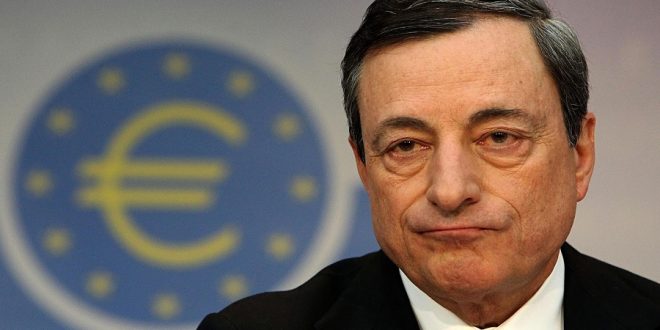
The good performance of government debt and the worse performance of stocks due to economic uncertainty are, of course, interconnected, but the most significant factor in these developments were the statements of the presidents of the two largest central banks in the world – the European Central Bank in the EU and the Federal Reserve in the US. Mario Draghi of the ECB made it clear that he was worried about the latest economic data (the problems in the industry in Germany and the technical recession on a quarterly basis in Italy). To "rekindle" the spark of economic growth, he announced a third round of TLTRO loans. Simply put, these are extremely cheap loans that the ECB grants to the banking sector to inject liquidity into the European financial system, support lending, and accordingly - stimulate economic growth.
By themselves, these loans are unlikely to achieve much in the long run – at most, they will postpone the next recession by a few months. The irony is that in the short term, Draghi’s decision is a pessimistic sign for the markets, because it means that the ECB is afraid that a recession is coming. The market response to such signals is almost always more pessimism and downward corrections, even if the central bank has announced measures to prevent a recession. So in the coming months, do not expect optimism generated by the new round of TLTROs – quite the opposite.
The Fed did not express such concern, but they also showed that they expect a recession in the US in the foreseeable future. At the last meeting of the central bank board, it became clear that there will most likely be no interest rate hike this year. Even the mood of some members of the central bank board has turned 180 degrees and the idea of a possible interest rate cut this year is being seriously considered. This would of course be a last resort measure, only if economic activity in the US seriously slows down and the American economy is facing a recession. The fact that this is being considered is indicative that the Fed fears a recession in the US, and very soon.
What does all this mean? It means that the current business cycle is definitely in a "contraction" phase. If even central bankers are talking about weaker growth and a recession, then it is certain that one will occur in the next year or two. The opinions of central bankers are not the only indications of this, of course. Objective indicators such as the increasingly sharp inversion of the yield curve in the US and the fall in the price of German government debt to record lows are a sign that the economies of the Western world are getting closer to recession.
What should an "intelligent investor" do in this context? Let's recall the famous (and funny) words of the legendary American investor Jim Rogers: "Sell everything and run for the hills!". This is no joke. The current interim period, in which the recession has not yet begun, but growth is no longer the same, is an ideal time to transfer investments from stocks to lower-risk assets such as government securities.
Regarding precious metals, keep in mind that the period of the business cycle in which gold usually performs best occurs shortly after the onset of the recession itself. Immediately before and at the beginning of the recession, debt investments such as government securities (the safest of which have maturities of up to 10 years) perform best. It is government securities that I expect to perform best in the coming months and most likely until the end of 2019, unless economic trends turn sharply - something that even central bankers no longer expect. Last but not least - the price of Bitcoin continued to rise in March (by just over 7%), which, however, simply returned it to the levels of early January. It is difficult to predict what will happen to cryptocurrencies when the recession occurs, given that we do not have historical data for a previous such period during which they existed.






One comment
Pingback: 17. Personal Finance and How to Invest in Bitcoin (with guest Nikolay Delchev)