Author: Georgi Georgiev The topic of the forcible seizure of property in the form of various taxes and levies is key to libertarianism (“taxes are theft”). If we take into account the skeptical attitude towards the way tax revenues are spent by most modern Bulgarians and the actions aimed at avoiding taxation, then the majority …
More »The State vs. "Tsar" Pencho: Monetary History Before the Liberation
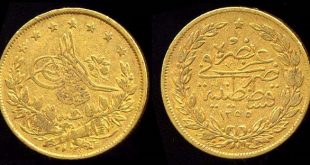
Author: Hristiyan Atanasov Money has always attracted attention. Everyone wants to own it, control it, and especially have the right to produce it. Having arisen spontaneously to facilitate market exchange, it quickly becomes the darling of the political authorities, which try to monopolize it. The reason is more than clear…
More »The Silence of the Lions
To Mr. Krasen Kralev, To Mr. Borislav Mihaylov, To prime ministers, popes, patriarchs, To media, journalists, oligarchs, To the proud, sleeping Bulgarian people. After an evening like this one on Monday, words come more difficult than sleep. Once again we have seen how sport can reflect the state of an entire country. Is it …
More »Ottoman paper money as an Italian mini-VOT. A historical parallel.
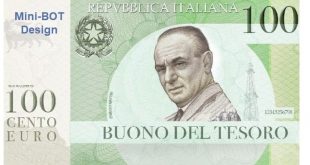
Author: Hristiyan Atanasov About a month ago, The Wall Street Journal published an article explaining the intentions of the Eurosceptic parts of the Italian political sector to issue mini-bonds (mini-BOT from Buoni Ordinari del Tesoro – i.e. lit. “small ordinary treasury bonds”) with a face value of €50[1], according to other sources €100. The idea of …
More »The Creative Hiatus in Bulgarian Culture after the Liberation
From a historical and political point of view, there is no way to dispute the Liberation of Bulgaria from the Ottoman Empire after the Russo-Turkish War in 1877-78. This was the beginning of the new Bulgarian state with a relatively independent policy in all spheres of life, which gave many freedoms to Bulgarian citizens – or at least those who were lucky enough to have them …
More »Freedom during “slavery” – some reflections on the status of Bulgarian settlements during Ottoman rule
Author: Assoc. Prof. Dr. Hristiyan Atanasov Elementary economic logic suggests that a lower tax rate is an opportunity for the accumulation of greater wealth by the individuals of society. It is clear that an enterprising person has the opportunity to earn more and, accordingly, the smaller part of what he earns he transfers for the “common good” (for example, to the state, …
More »Consequences of government price regulation
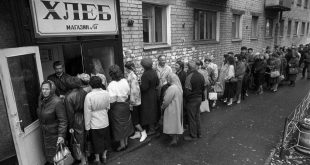
Direct state intervention in pricing is a traditional tool for solving economic or social problems caused by a sharp increase or decrease in prices. The economic past of Bulgaria during the period between the First and Second World Wars (1919-1939) reveals some typical practices of state pricing and their consequences. It was already …
More »The Life and Ideas of Jean-Baptiste Say: The Greatest French Economist
Many young libertarians are familiar with Frédéric Bastiat, but few are aware of his most significant predecessor, who is also one of the greatest "classical" economists - Jean-Baptiste Say. Nowadays, Say is one of those figures in the history of economic science who is systematically ignored, despite his ...
More »Does government price control help the poor?
One of the most frequently applied economic regulations is state intervention in pricing. This is easily explained. The increase in prices of essential goods creates social tension. The authorities try to bring calm by subjecting prices to administrative control. It is believed that this helps the poor and the disadvantaged. Elementary economic …
More »The History of the Christmas Truce of World War I
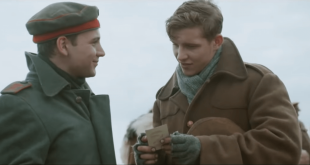
Author: William Griggs, the article is translated from the author's blog In August 1914, in an episode of unprecedented intemperance, the Great Powers of Europe plunged into all-out war with each other. Germany, a rising military power with great ambitions, overran Belgium in search of a quick checkmate of France before Russia could …
More »
EKIP– Expert Club for Economics and Politics A Different Opinion