 EKIP– Expert Club for Economics and Politics A Different Opinion
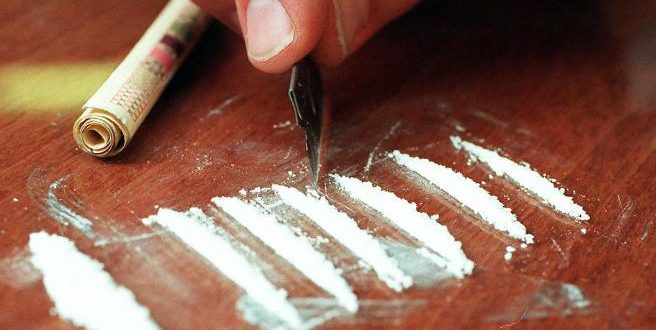
This series aims to provide advice to users on how to avoid unwanted harmful consequences from taking various substances. The authors are not responsible for the independent and autonomous decisions of third parties, as well as for their use and abuse of substances. The article cannot be considered as an incitement to use, but as an incitement to think and make an informed decision. The authors' opinion is that drugs should be approached with extreme caution and with awareness of all potential risks. All information is based on the accumulated knowledge from the experiences of tens of thousands of people around the world and empirical research thoroughly researched and consulted with specialists, BUT this does not mean that our advice works for everyone. Each person is unique and the effects of psychoactive substances on him are strictly individual. However, the collected advice has helped thousands of people save themselves unnecessary harm to their body and mind. Any consumption of psychoactive substances is solely at your own risk and responsibility!
Amphetamines are a group of chemical compounds with a similar psychopharmacological profile. The main representatives of this class of drugs are amphetamine (Alpha-Methyl-Phenyl-Ethyl-Amine), its methylated form - methamphetamine, methylphenidate (also known under the trade name Ritalin), as well as MDMA* (every raver's favorite "ecstasy" pill).
* since MDMA differs in its properties from its "cousins" amphetamines, it will not be included in this article, there is a completely separate article about them here.
Amphetamines and the body
Pharmacologically, amphetamines belong to the group of psychomotor stimulants. As a result of use, these substances lead to the release of large doses of the neurotransmitters dopamine, noradrenaline and serotonin in the brain endings. This causes a strong feeling of euphoria and excitement, accompanied by a reduced feeling of hunger and fatigue, as well as increased motor activity and endurance. The effects occur as a result of the interaction of amphetamine with the intracellular reservoirs of neurotransmitters, which stimulates their "pushing" into the intercellular space. In addition, amphetamines block the uptake of chemical mediators back into the cell and their degradation by proteins responsible for their recycling. As a result, the concentration of the neurotransmitter increases several times and this "locks" the neurons in a constant mode of activation.
The dose required to obtain these effects is most often in the range of 30 to 80 mg of pure product, with the average duration of the trip being between 3 and 6 hours, after which after-effects are observed for up to 10 hours after intake.
The physical effects of amphetamines include increased blood pressure and temperature, dilated pupils, and dehydration. At high doses, most often achieved after multiple doses in one evening, stimulants put the user in a state of restlessness, manifested in involuntary muscle spasms. Clenching of the jaws is considered the mildest symptom of an amphetamine overdose, but it is not excluded that it can lead to uncontrollable shaking of the whole body and sometimes loss of complete control over motor functions. On a psychological level, the user may experience a feeling of anxiety or worry about the world around him, which is often expressed in aggressive behavior accompanied by sudden and illogical actions.
Chronic use, tolerance, and dependence
Amphetamines are considered a highly addictive drug, as they directly "attack" the reward system in the brain (which uses dopamine as its mediator). The observed dependence is most often psychological, with the memory of the euphoria experienced being what prompts the individual to use the drug again. Tolerance to amphetamines is manifested in a decrease in the duration and intensity of the desired effects. The physical need for more amphetamine is a consequence of the undesirable effects that occur after the peak subsides (depression and fatigue), as well as the desire to maintain the initial "high". Marathons are a common occurrence, during which users take doses for several days, most often ending with the total depletion of the body's energy reserves and the individual falling into a deep sleep. However, such feats carry a high risk of disruption of the normal functions of the central nervous system and its ability to adequately process the information received.
Scientific evidence on the subject suggests that frequent disruptions in normal brain function are the most significant factor in the development of mental health problems. Prolonged use of amphetamines poses a high risk of developing hypersensitivity to the neurotransmitter of pleasure, which is expressed in a lowering of the threshold of excitability of the brain. In other words, in stressful situations, the individual's senses are more acute, which increases the possibility of forming inaccurate perceptions of the world around him. During an amphetamine trip, this sensitivity is further exacerbated and poses the danger of mental overload. Overload usually occurs at high doses of amphetamine and manifests itself in paranoid delusions, often accompanied by auditory and visual hallucinations, fear, labile mood and motor agitation. In the field of psychiatry, this phenomenon is called amphetamine psychosis and its symptoms strongly resemble a schizophrenic attack.
It is important to note that once exposed to such an experience, the amphetamine user is at risk of secondary symptoms both during and long after use. The stress of everyday life, as well as frequent abuse of stimulants, are a solid basis for the return of such deviations and their development into chronic schizophrenia. The risk is even greater if the user has a labile psyche or is genetically predisposed to mental illness.
On the body side, the use of amphetamines can lead to problems with the cardiovascular system such as wear and tear of the heart muscle tissue, rupture of blood vessels, and even heart attack at higher doses.
How to reduce the harm of amphetamines
Regarding the effects of amphetamines on the body, the following ways to reduce the damage are recommended:
- On the day of the trip: eat plenty, it is important to supply the body with energy. More easily digestible foods are recommended (no meat)
- Keep your body well hydrated both during and after taking amphetamines. 500 ml. of water per hour is good.
- Take the amino acids l-tyrosine and l-tryptamine 500-1000 mg. before bed. They allow your body to restore lost dopamine, noradrenaline and serotonin and reduce the period of depression and lethargy resulting from exhausting use. 500 mg. l-tyrosine twice a day a few days before the trip will increase the effectiveness of your amphetamine dose.
- Magnesium salts such as magnesium citrate reduce the risk of high blood pressure and muscle and jaw problems. Magnesium is also useful against the development of tolerance. It is recommended to take at least 250 mg. at least 1 hour before use. Magnesium in its pure form is a good means of reducing the neurotoxicity of amphetamines, as it acts as a blocker of the main receptors (NMDA receptors) responsible for the excitation of the brain.
- Melatonin (1-3g) before bed - helps restore the normal sleep cycle and functioning of the glands in the body.
- Antioxidants such as Alpha-lipoic acid will save you from the harmful effects of free radicals on tissues. Take vitamin C (1g.) and B6 (100mg.) 1 hour before the trip and after use. In addition to being a strong antioxidant, having the ability to freely pass from the blood to the brain, vitamin C plays the important role of a co-factor in the synthesis of dopamine and noradrenaline. Its intake together with l-tyrosine accelerates the restoration of the levels of lost neurotransmitters.
- Omega 3 and 6 fatty acids (2400 mg) after the trip heal nerve endings, strengthen cell membranes, and reduce symptoms of anxiety and depression.
- Cranberry juice is recommended to help clear amphetamines from the body more quickly. It lowers the acidity of urine, which increases the solubility of the stimulant in the blood, as well as its absorption by the kidneys.
- A hot bath restores blood flow to your extremities and will relieve you of any accumulated tension. Due to the risk of overheating your body, DO NOT take a hot shower while on a high dose of stimulants.
- It is recommended not to mix amphetamines with other substances and alcohol, as this increases the time required for the body to fully recover, not to mention that combinations with other strong substances can lead to serotonin syndrome, overdose and unpleasant and undesirable reactions. You can check which combinations are OK and which are dangerous here.







Just to point out one mistake - methylphenidate is not from the amphetamine group and is not a dopamine-serotonin-norepinephrine releasing agent like amphetamines, so it has no neurotoxic potential.
The neurotoxic potential of releasing agents comes from the fact that they release large amounts of dopamine, serotonin, and norepinephrine from the vesicles where they are stored. In principle, cells regulate the free amount of neurotransmitters by degrading them when they are outside the vesicles, as a result of their degradation, free radicals are produced that react with surrounding structures and destroy them. In principle, amphetamines also inhibit the enzymes that degrade these neurotransmitters, but in higher doses, the amount of released neurotransmitters prevails and the result is enormous oxidative stress, destruction of the long process (axon) of the presynaptic neuron and its withdrawal. This is followed by quite nasty processes such as gliosis, etc.
So what I meant by this is that methylphenidate is extremely safe for the brain, its action is similar to cocaine (methylphenidate blocks the reverse transport of dopamine and norepinephrine, cocaine blocks the reverse transport of dopamine, serotonin and norepinephrine, and it is believed that they also have the potential to reverse the flow in the transporters from activating an external receptor, but do not affect the internal processes in the neuron) and it is not an amphetamine.
And for amphetamine - the neurotoxic potential depends on the dose, as in moderate doses such as those prescribed for the treatment of hyperactivity, both dextro- and levo-amphetamine are completely safe for long-term use. Dextromethamphetamine has an exceptionally high neurotoxic potential even in doses of 10-20 milligrams, which is why it is almost no longer prescribed for anything, levomethamphetamine is used as pseudoephedrine for nasal decongestion. As for ecstasy, its effect is similar to methamphetamine (it activates the TAAR1 receptor, causes a reversal of the flow direction in the recycling transporters from the inside, and also removes neurotransmitters from the storage vesicles), but it releases more serotonin than dopamine and destroys mainly serotonin neurons.
Also one last thing to add, something that is not talked about much - micro doses of stimulants can cause permanent hypersensitivity, the opposite of tolerance to high doses, resulting in crippling chronic insomnia. Some people take micro doses of ecstasy 1 week before a big dose at a rave to get a stronger hit. On the other hand - gradually increasing the dose leads to some degree of adaptation to increased oxidative stress in the brain.
Great post and very helpful comment!
I spent a lot of time searching the internet for useful information on the topic, but mainly I found sites in English (language is not a problem) that did not present such well-summarized data about the positive/negative aspects.
It would be good if someone could share information and provide other links to sites in Bulgarian with useful information on the topic.