 EKIP– Expert Club for Economics and Politics A Different Opinion
Sustainable examples from the private sector
In October, Coca-Cola HBC, the bottler of Coca-Cola products in Central and Eastern Europe, reached the top of the global Dow Jones Sustainability Index (DJSI) in the Beverages sector for the third consecutive year. A week later, the company also published its new long-term sustainability goals. Such news has no chance of reaching the mainstream media, and we need it so that we do not continue to underestimate ourselves.
Our work with Coca-Cola HBC began at the end of August 2007. The specific project was to validate their annual Social Responsibility Report. We visited several plants in Macedonia, Greece and Bulgaria, where we audited the environmental and social impact data and discussed it with management. Although we found inaccuracies here and there, everything seemed new, tidy and efficient. People were clearly happy with their results and did not think they could do much more.
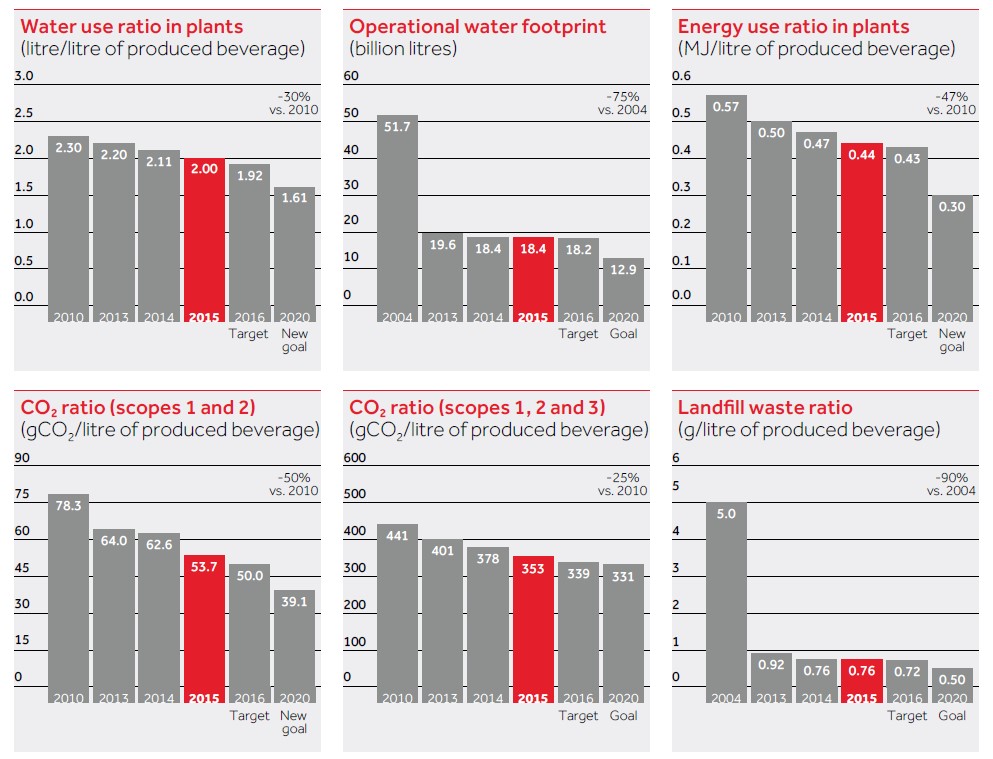
Then we started a big project to increase water efficiency. I remember the opening meeting in Kostinbrod – the skepticism of the then head of the plant, the explanations how everything possible is already known, measured and optimized, and it is not worth the investment… And the pride in the achievements after several years of constant efforts, when the water consumption per liter of produced beverage at Coca-Cola HBC Bulgaria fell from 2.8 (2005) to 1.8 liters (2015).
We’re not just talking about efficiency gains. The operational water footprint – the overall impact on water resources, measured as water consumption and pollution by Coca-Cola HBC – has dropped from 51.7 million m3 (2004) to 18.4 million m3 (2015). This is an incredible achievement because we have seen production growth alongside a huge absolute reduction in pressure on water resources.
An isolated case or a trend across all industries
Similar stories happen in terms of energy efficiency, the share of renewable energy in the energy mix, the amount of waste landfilled, the weight, recyclable and biodegradable content of packaging, the carbon footprint of products, etc. The plant in Kostinbrod, for example, sends only 3% of its waste to landfill, after in 2014 we found a solution for energy recovery from sludge from the treatment plant.
At a global level, life cycle analysis showed that the largest share of the product's carbon footprint is not due to factories and transport, but to the energy consumption of vending machines and refrigerated display cases in the market. The Coca-Cola HBC group immediately began targeted investments in technological renewal and replacement - the indicator dropped from 78.3 g CO2 / l. (2010) to 53.7 g (2015).
Similarly, the issue of the car's water footprint was addressed after it turned out that behind the sugar in a 330 ml. can there are 25 l. of water used for irrigation and refining. The company clearly showed producers and farmers that water conservation matters and catalyzed a process of catharsis in the sugar industry. The same happens with suppliers of all key raw materials. The very invitation to provide data makes it clear to them that they must reduce their consumption and pollute less if they want their produce to fill the red cans.
All of these things don't just happen by themselves. Of course, cost savings are a factor, but they are not the most significant. Much more important are consumer expectations, societal pressure, the real problems of the local communities where the factories are located, and more recently, the desire of young and educated people to work for companies that change the world for the better.
Until recently, all this happened more or less year after year. Today, Coca-Cola HBC is committed to a number of long-term sustainability goals that many people will view with skepticism and disbelief. After several years of working with ambitious managers and engineers, however, I have become careful in my assessments. They are just waiting for someone to tell them that something is impossible! And it is not only there…
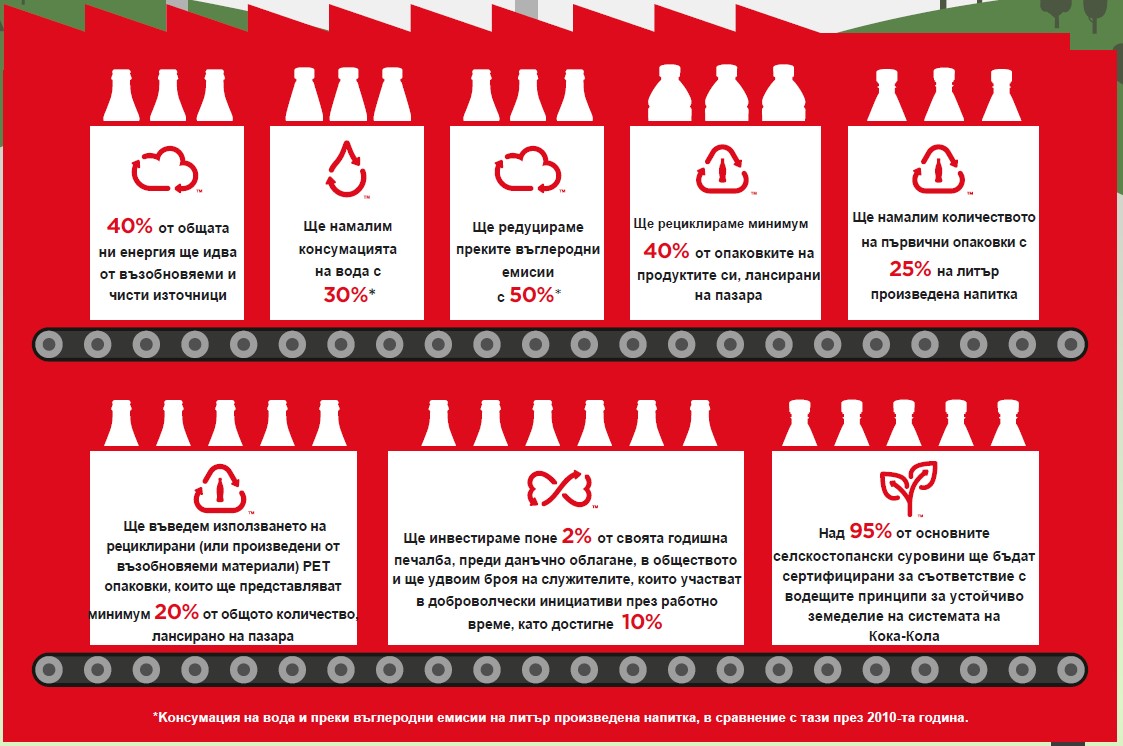
Predictions of the end of resources and global ecological catastrophes do not come true because people with imagination and desire study, think and work in thousands of companies and make it a better place to live every day. Sustainable development does not happen through summits, international agreements, bans and global goals, but through the trivial invention of a more efficient way to transport 10 crates from point A to point B.
Eastern Europe, and Bulgaria in particular, are not strangers to this process. It is clear that we can also be leaders. And talking about this in the future tense is simply wrong – it is happening here and now!




I suggest calling out Nicolas Maduro to defend the Venezuelan economic model or Dr. Mengele to defend Nazi medicine. This paid message is about as impartial as it gets.