EKIP– Expert Club for Economics and Politics A Different Opinion
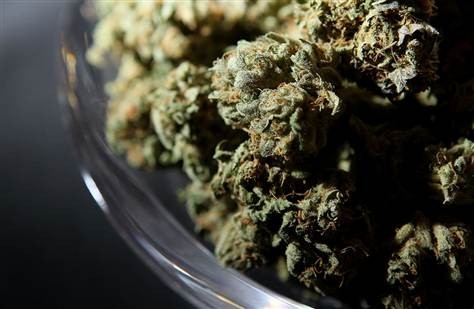
Economists are said to be the downfall of any party. Maybe because, unlike most people, we know that there are no easy solutions in life, only painful compromises. For example, I have never used drugs myself. Not because they are expensive, illegal, or I doubt that they would be fun. Even if the Ministry of Youth were handing them out for free on the streets with balloons for June 1st, I still wouldn't do it. Because I don't believe that the pleasure is worth the serious risk to my mind and health.
Other people have a different opinion. Fact - millions have ruined their lives by becoming addicted to certain drugs. I think life would be better without drugs (it would be even better without cigarettes, which have killed far more people than all known drugs). At the same time, for ten years I have been actively assisting organizations such as the Marijuana Policy Project to remove cannabis from the federal list of prohibited substances and stop the war on drugs in the United States.
Some may wonder if I suffer from a split personality. On the contrary, the reason I support the free market for marijuana (and cigarettes) is that all harmful products for personal consumption are much more harmful when they are banned. The first and greatest harm occurs when we delegate to the legislature the right to decide what we can and cannot eat, smoke, drink, or inject into our bodies.
By this act, we voluntarily abdicate our personal responsibilities—the ones that go hand in hand with our rights that come with adulthood. When we allow our elected officials to use violence to prevent voluntary transactions between adults, the sovereign (the people) and the servant (the government) reverse roles. And that is the first step on the road to a new kind of serfdom.
Most people probably think this is an acceptable price. A century and a half ago, Botev noted with disgust that the Bulgarian carries a slave soul and screams for freedom only when drunk. Today's descendants of the tavern "patriots" described in "In the Tavern" successfully delude themselves that the law, police, prosecutors, judges and prisons protect them and the children of Bulgaria from criminals and bad drugs. In reality, the victims of these forceful methods are countless.
The war on drugs increases street violence and other types of crime, undermines the morale of citizens and the authority of institutions (not necessarily bad, if they are state-owned), inflates spending and empties state coffers (also not so bad, note). It leads to the spread of disease and premature death, corrupts government officials and reduces the effectiveness of the judiciary. Globally, the war on drugs destabilizes young democracies and fuels numerous regional conflicts, supports regimes that suppress human rights and finances Islamic terrorism.
It is time for everyone to realize that the prohibition of products like marijuana does not stop either production, trade, or use. The only thing we achieve with such laws is to move these activities into the shadows. Where the consumer feels like a criminal without committing violence against another person and loses most of his opportunities to seek compensation for fraud. Where the entrepreneur (guilty of giving people the product they want) cannot rely on legal mechanisms to protect life, freedom, and private property and is forced to arm himself and fight street battles for market territory. Where hardened criminals find a gold mine and where their victims do not dare to complain when they are blackmailed into stealing and prostitution in order to pay the monopolistically high prices for drugs.
The illegal markets are where the mafia's billions bribe street cops, border guards, customs officers, prosecutors and judges. Where monsters like Osama bin Laden recruit executors for their satanic plans and the means to arm and train them how to kill. The only thing we achieve with the war on drugs is to maintain the monopoly of the gangster groups - Bulgarian and foreign. And the only way to deal with the bulk of the problem is to bring it to light - just as the most serious problems with organized crime in America between the two world wars were solved by the legalization of alcohol.