 EKIP– Expert Club for Economics and Politics A Different Opinion
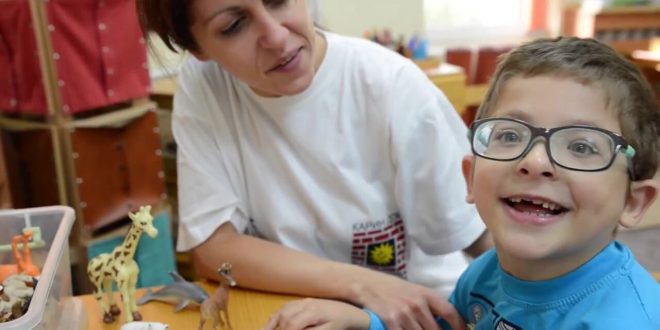
About Karin Dom or how a children's center for children with special needs in Varna works on the border of private charity
The maxim repeated over the years states that the level of development of a society can be judged by its attitude towards the vulnerable. In Bulgarian reality, however, this role of “society” has been seized by the state, while at the same time the protests of parents of children with special needs do not cease. Humiliating, even watchable, reports about parents with posters and empty wheelchairs show frequent cases of administrative paradoxes in the style of Catch-22, despair over the difficult accessibility to services and purely human fear for the future, in which their children will find themselves solely in the care of this same state.
On the other hand, for the taxpayer, there is not only the knocking on wood and the ear pulling, but also the empathy in which large sums are generated every year through DMS campaigns, personal campaigns of parents and participation in all kinds of initiatives, some of which are even under the auspices of heads of state and broadcast on national television. The proverbial empathy and kindness of the Bulgarian seem not only empirically proven by the number of successfully implemented private campaigns, but also appear to be a great auxiliary crutch for the social system, which is clearly not coping.
 Whether a system dedicated to caring for people with special needs, functioning solely on the basis of the free market, voluntary willingness to donate, volunteerism, and personal example is possible or whether such a hypothesis is an absolute utopia - this is a dispute that has been fueling debates for years.
You may be surprised, but in Bulgaria for 21 years now there has been a place that, although not completely devoid of state support (17% of the funding is subsidized by the state), is very close to this model, in which good is professionally managed, developed, multiplied and ultimately working. And if we can even talk about management of a philosophical category, such as good, then Karin Dom in Varna is a place that is worth taking us in this direction.
This is a center that has been providing therapy and support for children with special needs (a term that Karin Dom introduced in Bulgaria for the first time in order to stop their classification as unlearnable ) and their families for 21 years. It was started by Ivan Stanchov in 1994 with a completely personal story, as perhaps everything worth the effort begins.
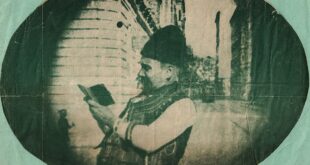
Who is Ivan Stanchov?
"My ultimate human satisfaction is the honor of working for Bulgaria, just as my ancestors worked for it. In addition to everything known about me, I am a sworn Bulgarophile and traveler."
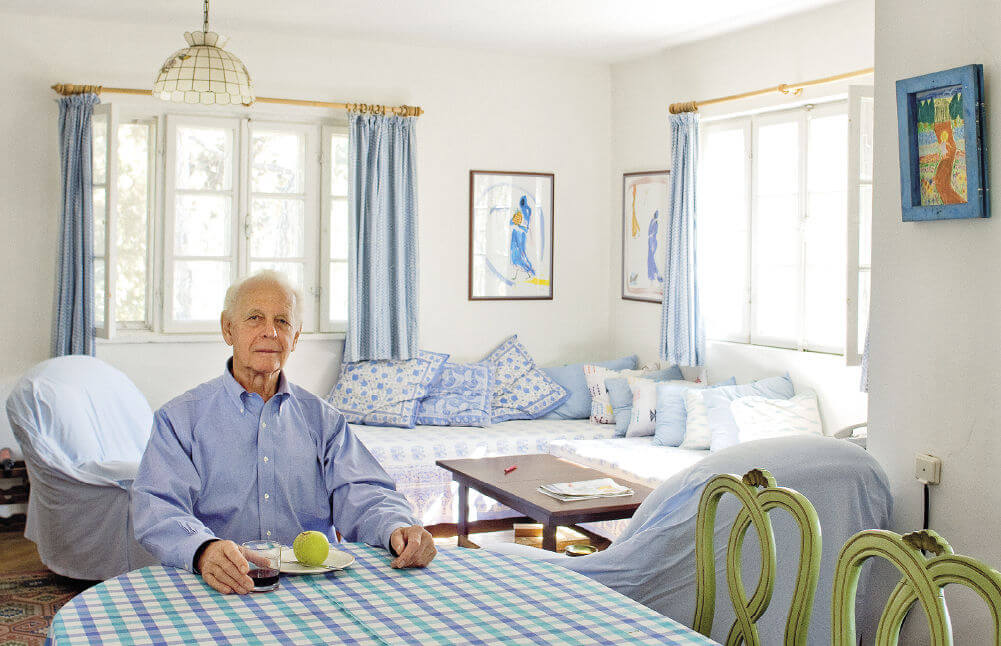
Ivan Stanchov is a vivid example of a philanthropist and donor from the new Bulgarian history. He was born on April 1, 1929. in the city of Sofia. In 1943. his family was forced to emigrate. He graduated from Georgetown University in Washington, USA.
After the political and economic changes in 1990, he returned to Bulgaria for the first time in 47 years. In 1991, Ivan Stanchov was appointed Ambassador of the Republic of Bulgaria to Great Britain and the first Bulgarian Ambassador to the Republic of Ireland. Although already 88 years old, he remains a tireless traveler, diplomat and gardener. He speaks 8 languages. The Bulgarian school at the Embassy of Bulgaria in London also bears his name, making it the only school bearing the name of a living Bulgarian Revivalist. The reason is that when in 1991 Ivan Stanchov took up the post of Ambassador in London, he found the school closed due to lack of funds from the state. He decided that he would revive it with his own funds and for some time it was entirely at his expense. The Bulgarian School in London educates 240 children aged 4 to 18.
Who is Karin?
Karin is the cousin of the founder of Karin Dom – Ivan Stanchov. Karin suffered from cerebral palsy from birth (spastic infantile diplegia, known as Little's disease). Gifted with a strong will and determination, for six years in America, Karin underwent countless clinical tests. In addition, three years later she started therapy according to the recently developed Bobath method, which led to a general, albeit slow, improvement. In fact, Karin was Mrs. Bobath's first patient in London. In parallel with the therapy, she was an excellent student and took her exams with very good grades. Karin was an inquisitive child, always ready for adventures - outings, trips and traveling the world together with her family, who supported her throughout her life.
 In 1994, Ivan Stanchov managed to convince his family to provide the inherited house in the Sea Garden of Varna, where he founded the Karin Dom Foundation. His idea was to create a new model for services for children with special needs, so that the abandonment of these children in homes could be stopped. He gathered a small team of specialists from Varna and invited professionals from England to train their Bulgarian colleagues in the most modern, world-renowned therapeutic methods.
Thanks to his charismatic personality and strong personal motivation, Mr. Stanchov attracted donors and like-minded people to support the cause. Thus, the first center for children with special needs was created in our country, following good European practices and bearing the name of a special child and a compassionate woman - Karin Desislava Feodora Bernadette Maria Gepen Stanchov, born in London on May 14, 1935 and died at the age of 55.
What makes Karin's home special?
The reasons are countless, but one of the main ones is the model for managing an activity that can be most accurately defined as social, through tools that are more typical of a business organization. The Karin Dom team strives to make therapy, visits by specialists to the homes, and in general, the entire main activity oriented towards children with special needs and their families, free of charge. If we decide to use this concept more cautiously and follow the economic law that there is no free lunch, then the logical question follows: “Who pays the price?”
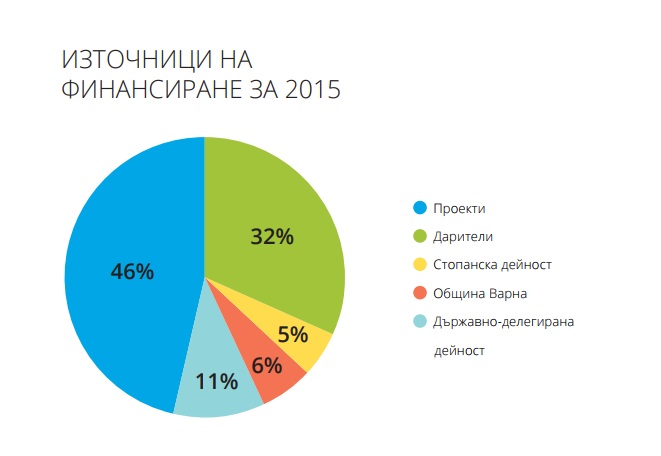 As we mentioned at the beginning, 17% of the activity is financed by the state, a large part is provided through participation in projects, applying for funds and adapting activities to the available financial perspectives. It should be noted that this mechanism is available to all social institutions, including state ones, but in Karin Dom the preparation of documents, work on projects and their implementation is entrusted to a professional team that deals with marketing and fundraising. This professionally organized unit is responsible for finding appropriate procedures for funding from funds to attracting corporate partners or personal donors.
It is the donations, which represent 32% of the budget, that are one of the main and most complex tasks, which we can define as “Ask and it shall be given to you”. For example, the fuel for the bus that has been transporting the children to the center for years has been taken over by a fuel company, and the car for the mobile teams of the “Early Intervention” program (i.e. these are the specialists who visit parents of children with special needs from the maternity ward, in an attempt to oppose the current practice of medical advice to abandon them in an institution) is provided by a private logistics company with a special discount from a car company.
Donors are relied upon for financial support for speech therapy sessions, therapy with a psychologist and physiotherapist. Preschool preparation and training groups, as well as the one-week intensive therapy that Karin Dom offers to children from the country, also rely on donors. What we can define as the trademark of Karin Dom in their management of goodness is the creation of value. The team uses all available resources to finance itself by creating opportunities through additional services.
Private kindergarten– Montessori House is a private kindergarten with a capacity of up to 15 children. A large hall on the second floor of the house is adapted for teaching according to the Montessori method. Thus, the available base and the expertise gained from the training of the teachers are utilized and monetized for the benefit of the main activity.
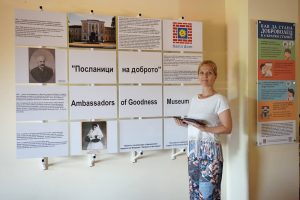 Музей „Посланици на доброто“– Тази година в Карин дом беше открит музей, посветен на историята на благотворителността и филантропията в България. Срещу вход - дарение гид от Карин дом развежда групите из експозицията. Освен набраните средства, музеят дава възможност повече хора да се запознаят с дейността на Карин дом и да бъдат информирани за наличните възможности за доброволчество и благотворителност.
Services for mothers and children– During the week, parents can also join a Toy Library and a play group, led by a Karin Dom specialist and including various activities for the little ones.
The Gifts of the Earth– Even the garden is harnessed as a potential source of funds, with lavender being sown in it, which is then harvested and sold by volunteers at bazaars for a donation. On weekends, the garden is rented out for weddings and children's birthday parties, providing additional financial support for the home.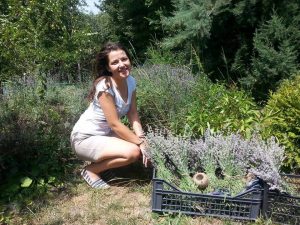
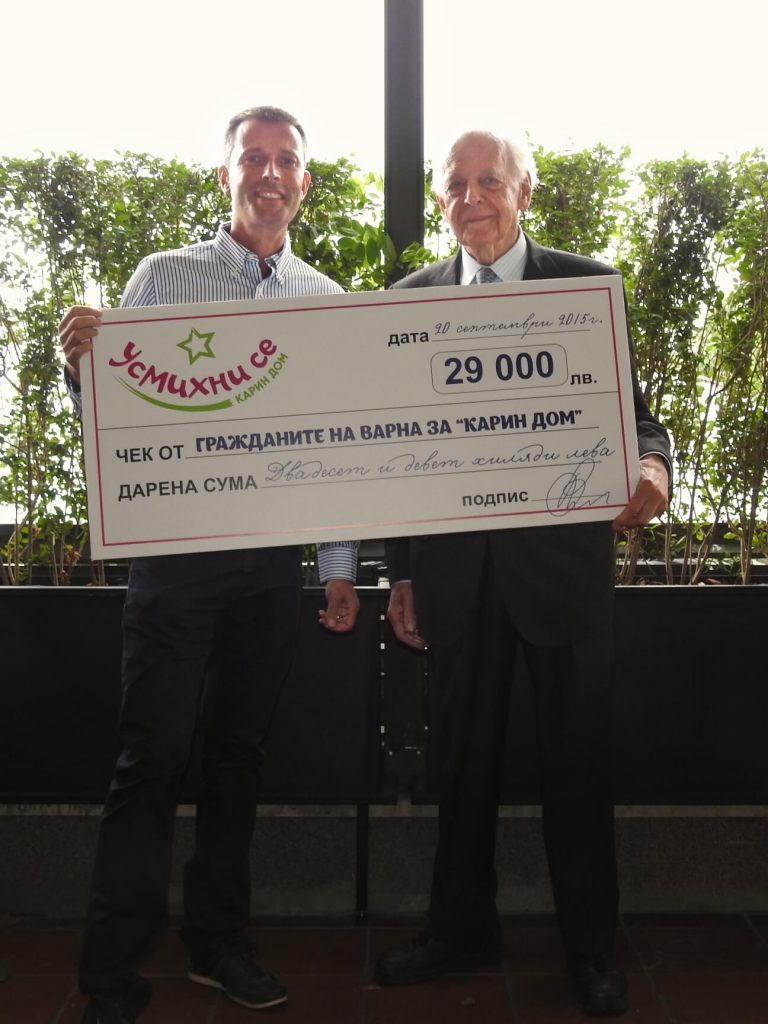
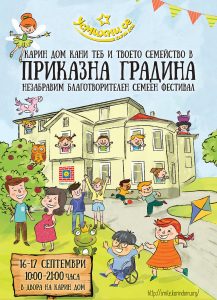
Fun with a cause– the crown jewel of Karin Dom, when it comes to activities related to self-financing, is the organization of the annual charity festival “Smile” which every September brings together citizens and guests of Varna for a full-day festival with a picnic area, barbecue, beer, restaurants, a children’s corner, an open stage, a farmers’ and crafts market, a circus, horse riding, fencing and countless other entertainments that attract entire families for the entire period of the event. The funds raised during the festival (varying from year to year around 30,000 BGN) are reported in detail by activity, and a large part of them goes to the maintenance of the Smile group, so that the people of Varna know that the funds they spent during the festival having fun were invested in conducting a specific activity at Karin Dom, behind which specific children and their parents stand.
What has been achieved?
For 21 years, Karin Dom built the first playground in Bulgaria for children with special needs, 1,835 children and their families passed through the center during this period, set aside a place for a parents' club, furnished 13 rooms for children's therapy, built the first toy library in Bulgaria, trained 4,500 new specialists from Bulgaria and the world, introduced an Early Intervention program and held 4 conferences on the problems of children with special needs.
 Karin Dom remains one of the examples of how a hired professional often does his job more effectively than a civil servant, that goodness is not a category to which everyone should automatically show empathy and altruism, but is something that should be worked on through information, involvement - creating both rational and emotional incentives. Karin Dom starts from a completely personal story, but acquires the scale of a professionally working organization that implements real change and has an undeniable impact on some of the most sensitive layers of society - that of the vulnerable, those in need of support.
Even writing these lines is the fruit of their efforts and the fact that they manage to pass on all this energy and enthusiasm for achieving miracles or, more pragmatically speaking, the personal example of private charity. When the personal story of one person is enough to ignite thousands. For this, there is no need for a directive, nor for waiting at the counters - a little faith and a lot of effort are enough... and perhaps a little more will so that the good is not monopolized, but simply well-managed.
Information from: https://karindom.org/ was used to write the article.
Photos: Friends of Karin Dom Foundation





Enough time has passed for us to understand that the thieving rulers do not care about society. Even if a revolution happens, things will still not change. People must believe that their well-being depends on them, let us follow en masse the example of Karin Dom, Father Ivan from Novi Khan, Grandfather Dobri from the village of Baylovo. Our fate is in our hands.