 EKIP– Expert Club for Economics and Politics A Different Opinion
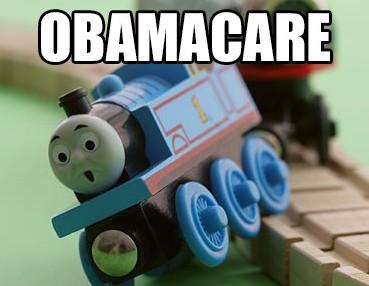
In recent weeks, a major topic of contention in American politics has been the enactment of a new health insurance system – the so-called Patient Protection and Affordable Care Act (better known as Obamacare). In short, under this system, the federal government obliges every American citizen to purchase health insurance, and in addition, the law introduces numerous regulations on the work of insurance companies (for example, Obamacare prohibits them from discriminating against people with pre-existing conditions) and their relationships with customers.
Much has been written about the problems of Obamacare (a rich resource on the subject is available here ), but it seems to us that sometimes one really serious drawback of expansive and mandatory state systems is forgotten, namely the suffocation of existing and well-functioning private alternatives. This is a process called by the economic term crowding out, which applies to both health and social, pension and educational solutions. In most of them, at some point the introduced state system crushed the already existing voluntary systems of mutual assistance and market exchange.
For example, when the British government imposed compulsory social insurance on 12 million people in 1911, at least 9 million of them were already covered by voluntary insurance schemes (mostly through insurance associations and so-called friendly societies and mutual-aid organisations). In 1910, the last full year without compulsory state insurance, friendly societies alone had 6.6 million registered members, and their numbers had increased by an average of 85,000 every 12 months for the 30 years leading up to the change.[1]
The fate of all such associations (which existed, by the way, in Bulgaria) is almost equally tragic. Faced with a competitor that exists regardless of the quality of the service it offers, collecting its revenues through decrees and force and offering “free” manipulations – they almost completely wither away. The state with a few laws destroys a unique product of the free market and solidarity throughout the Western world.
In the video accompanying this article, you can see the story of one of the few remaining voluntary mutual medical insurance associations in the United States, which continues to operate to this day. As the material points out, organizations of this type have serious advantages over forced schemes – they encourage members to be reasonable, to save, to look for the best price and, most importantly , they foster true, voluntary solidarity between people. None of the members of Samaritan Health Care Ministry are forcefully included in the association. Each of them trusts the others and purposefully helps each other. The cardinal opposite of a system in which they consider throwing you in jail if you do not participate. The sad thing is that the legislative pressure of Obamacare may lead to the end of this initiative as well.






Can I ask where my previous post is? After changing the look of the site, it disappeared.
By the way, I didn't see one like that a while ago either. I had posted a link to it and the link probably wasn't approved by the site administrator. I would like to know, if possible, what the site's policy is on these issues.
It is entirely possible that the comment disappeared when it was moved to the new server.