Второто издание на „Индекс Богатство на българите“ беше представено на пресконференция в БТА от Стоян Панчев и Макс Баклаян. Индексът проследява развитието на активите, които българските домакинства притежават, спестяват и инвестират. Той разглежда както брутното богатство — номиналната стойност на активите, така и нетното богатство — активите след приспадане на пасивите, основно жилищните кредити. Към …
More »Как спестяват българите 2025 г.
С над 170 хил. са се увеличили спестяващите българи само за 1 година - 25% от всички (1,4 млн. души) отделят от дохода си за бъдещето; Изненадващо с 4 процентни пункта спадат вярващите в инвестицията в имоти като защита от инфлацията; 30% скок в броя на инвестиращите във физическо инвестиционно …
More »Wealth Index 2025
|Full text of the analysis| As part of the initiative "How Bulgarians Save", a new economic index was presented - the Wealth Index, which measures the wealth of households in Bulgaria. The index combines all types of financial wealth with a new methodology for real estate valuation, aiming to more accurately reflect the real economic value of the assets owned by Bulgarians ...
More »Printing more money cannot create more growth
Author: Frank Shostak, Mises.org The idea that more money can boost the economy is based on the belief that money has a stimulatory effect by increasing aggregate spending. More money in people’s pockets means they can spend more, and the rest follows from that. Money, in this sense, is a means …
More »The biggest danger facing second pensions
On October 12, a roundtable was held with the participation of the state, private funds, and experts, which was supposed to decide what the rules should be for paying the first pensions from the second insurance pillar, which is due to be in 2021. Or at least that's what they expected from the Association of Private Pension Funds, …
More »The problem of private pension funds
The problem with private (mandatory) pension funds is that they don't make money. More precisely, they don't make money for their clients. They probably do for themselves, but the returns that people who insure themselves with them receive are almost non-existent or even negative. At least most of the time. This is a problem. Because …
More »Singapore: An incredible alternative to the welfare state
John Goodman Lee Kuan Yew, Singapore’s first prime minister, died last week at the age of 91.[1] Almost every biographical note in his memory comments on the radical transition that began under his leadership. As John Fund notes in the National Review: “Through reforms toward free trade, capital formation, a strong meritocratic education system, low taxes …
More »How Japan squandered its savings surplus: what a Keynesian dystopia looks like
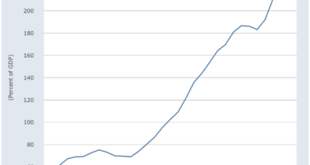
Financially, Japan is fast becoming a Keynesian dystopia. Its entire economy is now hostage to a fiscal time bomb. Namely: a national debt that already exceeds 240% of GDP, and which is growing rapidly because even the recent painful increase in the sales tax from 5% to 8% is not even …
More »
EKIP– Expert Club for Economics and Politics A Different Opinion