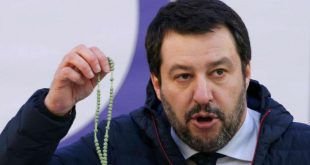
The direction of his argument may be wrong, but not his substance. Italy has really been infuriating Europe lately. The populist government, led by the outside-the-box Five Star Party of comedian-turned-politician Luigi Di Maio and Matteo Salvini’s Northern League, has announced it will publish a 2019 budget with a deficit …
More »Ep. 8: Are Viktor Orbán's economic policies right-wing?
00:40 - How and why did Viktor Orbán manage to be re-elected as Prime Minister for the third consecutive time in Hungary? What is his popularity due to? What are the nature of the economic policies he pursues? What are the similarities between the governments in Poland and Hungary in this regard? 42:50 - The conflict between …
More »Austrian Rhapsody in Black and Blue
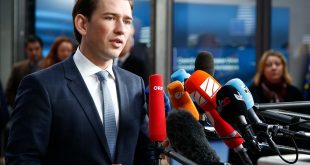
Is 31 a lot or a little? This is the age of the leader of the People's Party, Sebastian Kurz, the winner of yesterday's parliamentary elections in Austria, who will most likely receive a mandate to form a government from the president of the Alpine republic. The Greens have also been represented in the Austrian parliament for 31 years. That is, …
More »The economic promises of the parties – harmful even before they fail
Ahead of the upcoming parliamentary elections, we are witnessing one of the strangest election campaigns in recent years. This is a campaign in which political parties are falling into heavy populism, promising us a flood of absurdities - economic growth of 6-7% per year, doubling pensions, huge increases in the average and minimum wage...
More »What are the most dangerous economic promises that parties have made so far?
The most notable (and frightening!) part of the election campaign so far has been the unprecedented escalation of populist economic promises from parties that have already announced some of their economic programs. Almost all parties are pushing each other to propose "solidarity" economic policies, which would have very negative consequences for both the state budget and...
More »Berlin's rent ceiling: a populist and unhelpful move
This week, Berlin became the first German city to introduce a rent cap on residential properties. In this short commentary, we will look at what the city government’s move could mean, as well as the functions of the price mechanism in a free economy. The cap As of Monday, the new …
More »Our unions are sliding down the path of budget spending and populism
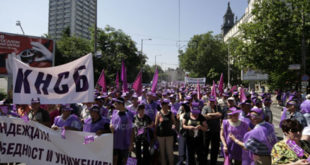
Yesterday, the more left-wing of the two major unions – the Confederation of Bulgarian Trade Unions – brought its members to parliament to protest changes to the pension system and a number of other elements of the budget that they disagree with. Of course, the aim of the union pressure is to give more money to a certain group of workers who …
More »How to (not) vote. Elections to extend the transition
Tomorrow, Bulgarians will have the unique opportunity to choose who will not reform the health, pension and education systems; who will redistribute part of their wealth; who will support one or another monopoly and who will worsen the state of the economy. In other words - tomorrow, Bulgarians will vote to preserve the status quo.
More »
EKIP– Expert Club for Economics and Politics A Different Opinion