 EKIP– Expert Club for Economics and Politics A Different Opinion
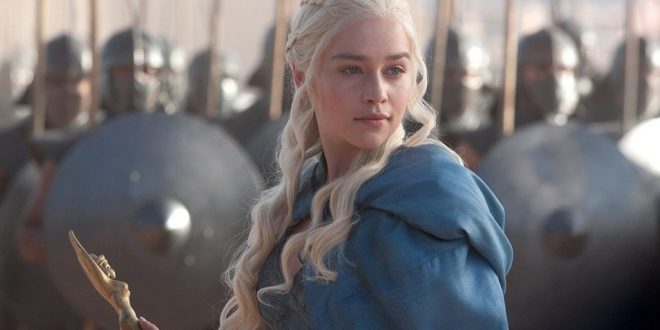
HBO's hit series Game of Thrones is in the middle of its seventh season, and fans are increasingly concerned about its rapidly diminishing cast of characters. The series, which is adapted from George R. R. Martin's fantasy series A Song of Ice and Fire, has generated a lot of commentary of various kinds in recent years. And while the complex and morally ambiguous characters have attracted many political analysts and literary critics, the books also teach us important economic lessons.
The story told to us by J. R. R. Martin touches on various economic problems– from the consequences of the lack of a developed economic system to the cases of monetary theory and problems in the field of public finance.
The political and economic means of getting rich
In this article, we will focus on some of the other economic insights that can be drawn from the series, especially the ideas about social order and the role of peaceful cooperation, trade, and money in organizing society. Franz Operheimer makes a fine distinction between the “political means” and the “economic means” of organizing society. The former involve the forcible redistribution of wealth; wealth, however, is created only by those who use the “economic means” of organization, consisting of voluntary production, trade, and exchange/barter (1926, pp. 24-27).
The difference is clearly evident in A Song of Ice and Fire. Consider the Dothraki and the Ironborn—they are prime examples of “political means.” Both societies produce little, but thrive instead on violence and plunder. A perfect illustration of this phenomenon is the motto of House Greyjoy: “We do not sow.” The implication, of course, is that the ironborn reap what others have sown. The Greyjoy motto is a particularly apt description of the state, which is essentially a parasitic institution, surviving only by robbing the productive part of its people.
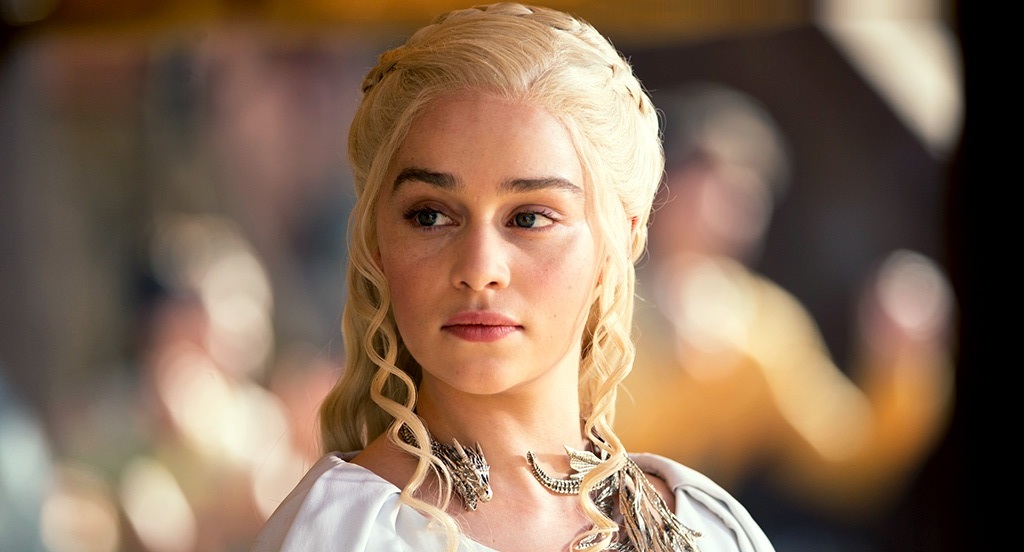
Seizure versus voluntary exchange
The distinction between political and economic means, however, is not always so easily discernible. Even in the relatively peaceful parts of the realm, where civil order is maintained and exploitation is more covert, it is clear that the interests of the rulers and the ruled differ, as do the means used to achieve prosperity. J. R. R. Martin gets to the heart of the matter in a conversation between Daenerys Targaryen and Ser Jorah Mormont. Daenerys believes that the kingdom (ruled by her family in the past) will rise up in support of her brother and his claim to the throne. She notes: “The people are expecting it. Magister Illyrio says they are sewing dragon banners and praying for Viserys to return and set them free.” The answer she receives is simple but insightful:
“People pray for rain, for healthy children, and for a summer that never ends,” Ser Jorah replies. “It doesn’t matter to them if the great lords are playing their game of thrones, as long as they are left alone. And they never are.”
The idea that political behavior consists primarily of criminal plunder is common in A Song of Ice and Fire. In another conversation, Davos Seaworth discusses the career of his friend, the sailor Salador Saan, who: "is a smuggler as well as a merchant, a banker, a notorious pirate, and the self-styled Prince of the Narrow Sea." Davos concludes that when a pirate becomes wealthy enough, he is made a prince.
Money, society and the level of economic development
In addition to the theme of the nature of the state, the series also contains other economic ideas. For example, the deep understanding of the role of money in a society is remarkable. Specifically, as it unfolds, the series' narrative provides us with information about the different stages of economic development, closely related to the perceptions of different cultures about economic activity and money.
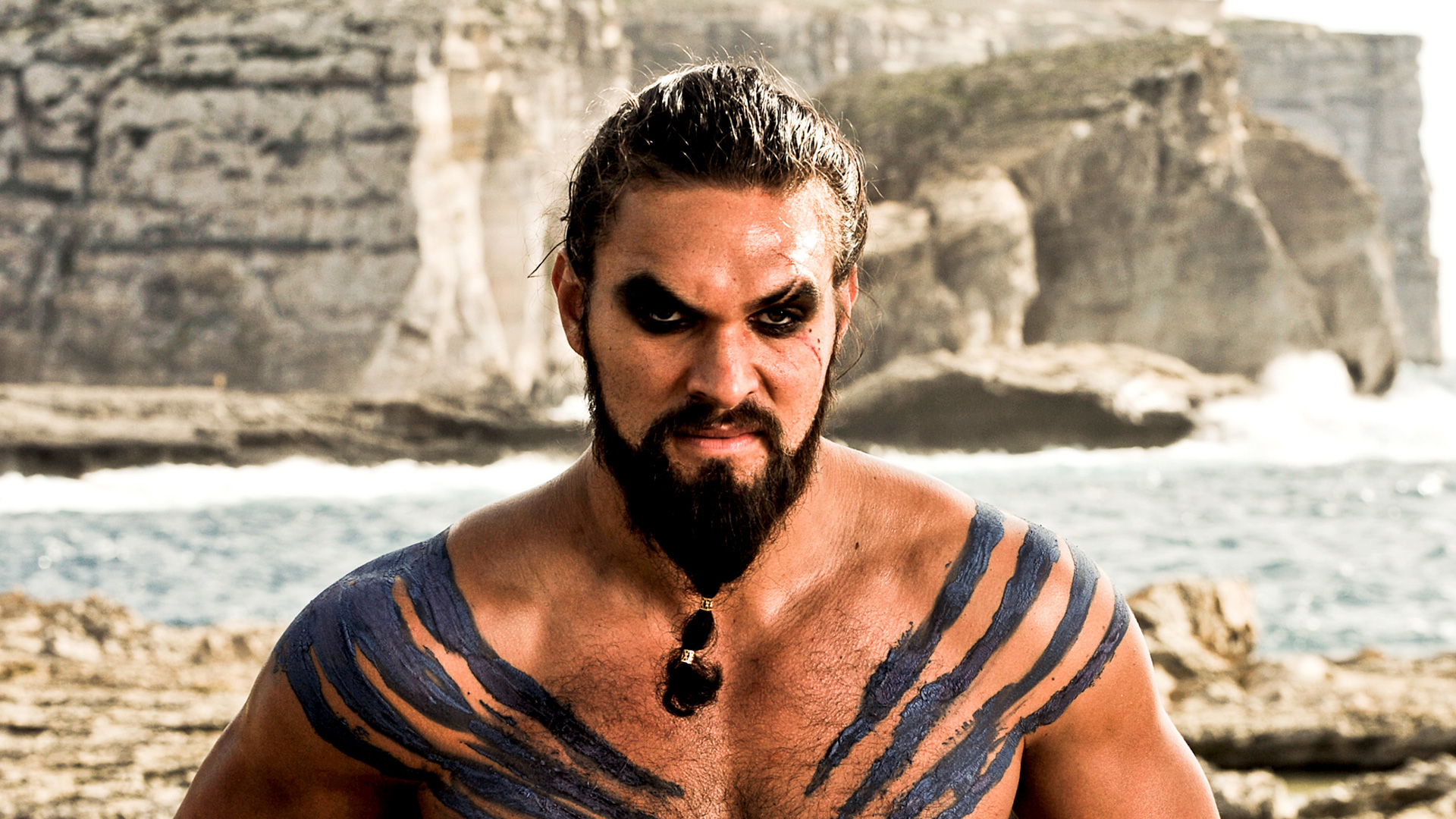
First phase of economic development - Dothraki
An obvious example of this is the Dothraki, a decentralized group of intransigent tribes that roam the eastern continent. The Dothraki do not trade, and the closest form of peaceful social interaction they have is some vague system of gift exchange. For this reason, they do not use money, and their civilization fully reflects this fact.
Without a system of indirect exchange, they cannot develop their own capital goods production, but instead rely on redistributing what they plunder. They are nomads, lacking the ability (or desire) to produce and trade. In fact, the only permanent structures among the Dothraki are those created by slaves from plundered materials. Their lack of a developed society can also be attributed to their refusal to engage in economic activity and therefore to accept a medium of exchange. Since money is what makes the entrepreneurial decisions necessary for economic development possible (there is no way to keep accounts without a common medium of exchange), economic calculation is as impossible for the Dothraki as it is for a socialist society.
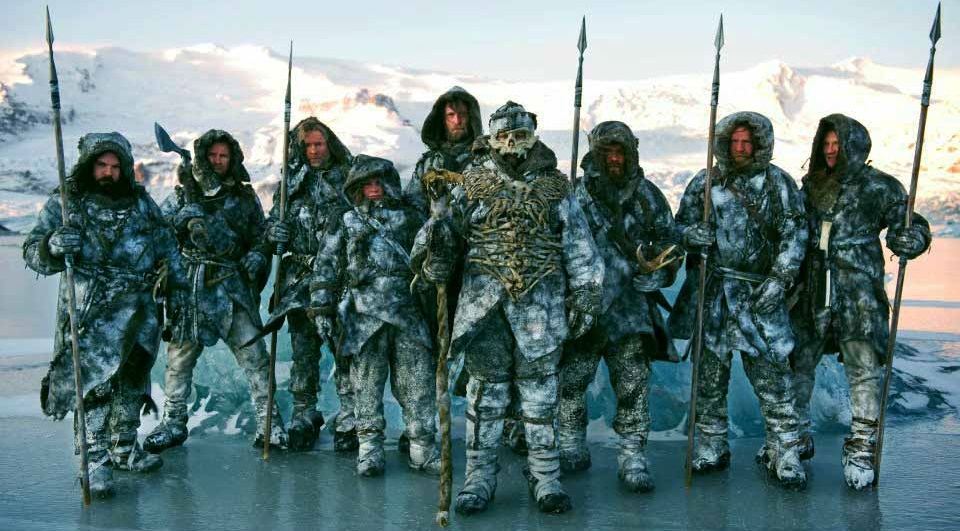
Phase Two - The Free People Beyond the Wall
The second phase of economic development is represented by the "savages" living on the other side of the Wall, north of the Seven Kingdoms. They have no centralized authority and proudly call themselves the "Free Folk". Although they have not reached the economic development of the Seven Kingdoms and also have no money, they are far more advanced than the Dothraki. Economic activity exists in the form of barter trade between relatively peaceful groups. However, due to the incessant wars with the peoples south of the Wall, the Free Folk are unable to engage in constant trade, long-term planning, and deep social cooperation. Forced out of society, they are reduced to a situation where they barely make ends meet, in an environment poor in resources, and without the ability to achieve more than minimal economic development.
Phase Three - The Ironborn
Ironborn, like the Greyjoys, are more of an intermediate case in terms of money. Their obsession with conquest leads them to denigrate trade and the use of money, which they deride as "paying the price of gold." In their culture, instead, people pay the "iron price" for every garment they wear and every luxury they enjoy; in other words, everything of value a person possesses must have been taken from the body of a slain enemy. Although the ironborn are only partially integrated into the economic and social life of the Seven Kingdoms by force, they consciously strive to preserve their ancient way of life, based on expropriation. As a result, their use of money is kept to a minimum.
Phase Four - The Seven Kingdoms
A higher level of economic development can be found in the Seven Kingdoms of Westeros. Their politics are closer to that of a feudal society, in which “people grow rich through war, through conquest, and through the generosity of a sovereign ruler. People become poorer if they are defeated in battle and if they fall from grace” (Mises, 2006, p. 158). Whether you have read the books or not, the story is familiar to you. Faced with the difficulties of financing an “eternal” war, the overseer of the treasury (“master of coin,” a position equivalent to the finance minister) creates new taxes, which, however, exist only as long as the population can pay them.
The rulers are acutely aware that “half the landowners in the kingdom do not know the difference between taxation and tyranny, and would flee to the first usurper if they could save a single penny.” Loans also serve the crown. And while they create the illusion of a “free lunch,” they do not come cheap and do not offer long-term solutions to problems. In one episode, Cersei Lannister wants to establish her own bank as a permanent source of capital. The final step is the creation of money, which Lord Cuttlefish does through the (historically common) practice of coin cutting (devaluation by reducing the size of coins).
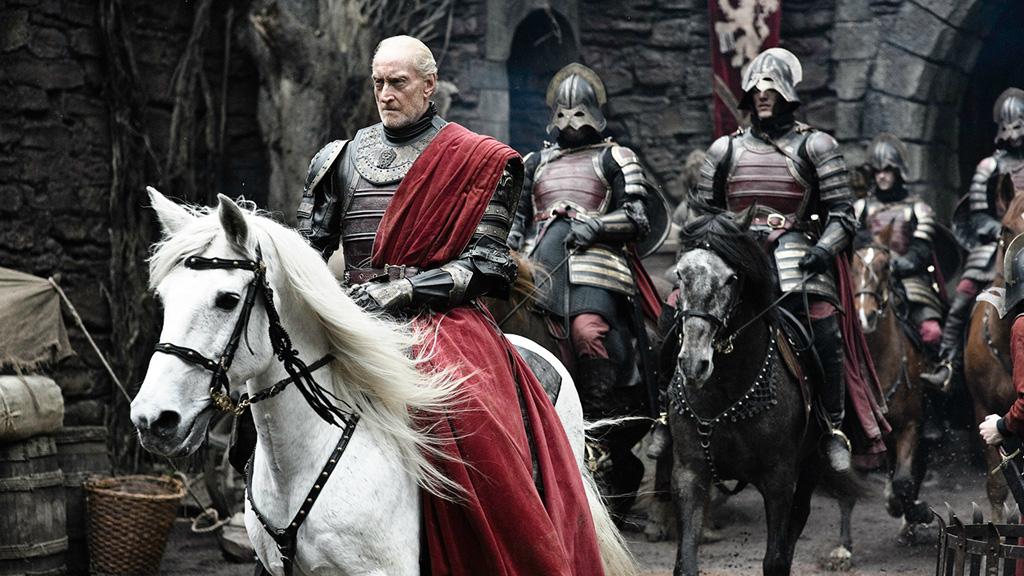
The constant wars of the Seven Kingdoms hinder the accumulation of capital
Although not as militarized as the ironborn, frequent wars between the ruling families of Westeros periodically destroy the accumulated wealth of the "small folk", as the nobles call them. Due to the almost constant rivalry, many people in the Seven Kingdoms live a miserable life. Saving, for example, is almost impossible for the common people, and even knights and nobles have difficulty setting aside money. Not surprisingly, the economy does not develop beyond the early stages of capital accumulation and seems to have stagnated for thousands of years. The sectors and crafts that flourish and show the greatest technological advances are military enterprises, which harm peaceful and productive initiatives. Weapons manufacturers and boat builders are clearly depicted as speculators who profit from political turmoil.
The crown's wasteful spending is wasting a valuable resource
Given the centralized government of the Seven Kingdoms and the intricate web of monopoly rents and shady power relationships that go with it, it is not surprising how common examples of blatant state waste are. Robert Baratheon’s tourney requires “90,000 gold pieces” for prizes alone. Furthermore, since Robert desires a lavish celebration for the occasion, the Overseer of the Exchequer also pays for “cooks, carpenters, waitresses, singers, conjurers, and jesters.” The council is quick to argue—relying on the “ broken window fallacy”—that “the kingdom thrives” on such events, and the vast expense of the tourney brings “an opportunity for glory to the upper classes, and to the lower classes a temporary relief from misery.” The same arguments are used to justify other ungodly wasteful expenditures, such as those for Joffrey’s wedding.
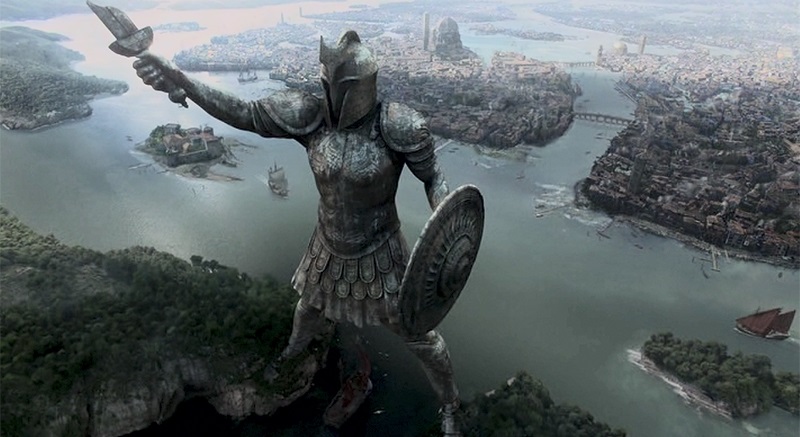
Free cities are the most economically developed
The most developed economies in A Song of Ice and Fire are those of the so-called Free Cities. The nine city-states across the Narrow Sea boast temples, towers, and palaces twice the size of those in Westeros, and are renowned for their trade in fabrics, carpets, lace, wines, and spices. Cosmopolitan and multilingual, the Free Cities also have lucrative banking sectors: "Each of the nine Free Cities has its own bank, and some have more than one, fighting for every coin like dogs for a bone." The banks provide financial assistance to foreigners, especially the noble families of the Seven Kingdoms, and their reputation makes them a key player in the Game of Thrones:
"When princes fail to pay the Iron Bank, a new prince rises from somewhere and takes their throne."
Political struggles and hardships are no stranger to the Free Cities, as they have had to pay a high price for the freedom they possess. Braavos, the youngest and most powerful city, was founded by slave refugees who sought to abolish slavery throughout the Free Cities. Harsh economic lessons have been learned by the others. Volantis, the oldest and largest city, has lost its wealth in an attempt to conquer the others. Its rulers "preferred the sword, while merchants and bankers defended trade. (…) After a century of war, Volantis was defeated, bankrupt, and depopulated." Only after abandoning military pretensions and resuming peaceful trade did the city return to prosperity.
Conclusion
Finally, it is important to note that A Song of Ice and Fire is based largely on medieval history, which is not all warfare and economic ruin. Whether history or mere fantasy, Game of Thrones (the use of “political means”) hinders the spread of common economic sense and precludes good economic policies. Thanks to the Seven Kingdoms and the current Game of Thrones addiction, when it comes to the peace and prosperity of Westeros, the only certainty is that Winter is coming.
Оригинал: The Economic Sense in Game of Thrones
Translation: Sofia Rogleva




"the state, which is originally a parasitic institution" Oh, my pitiful ones