EKIP– Expert Club for Economics and Politics A Different Opinion
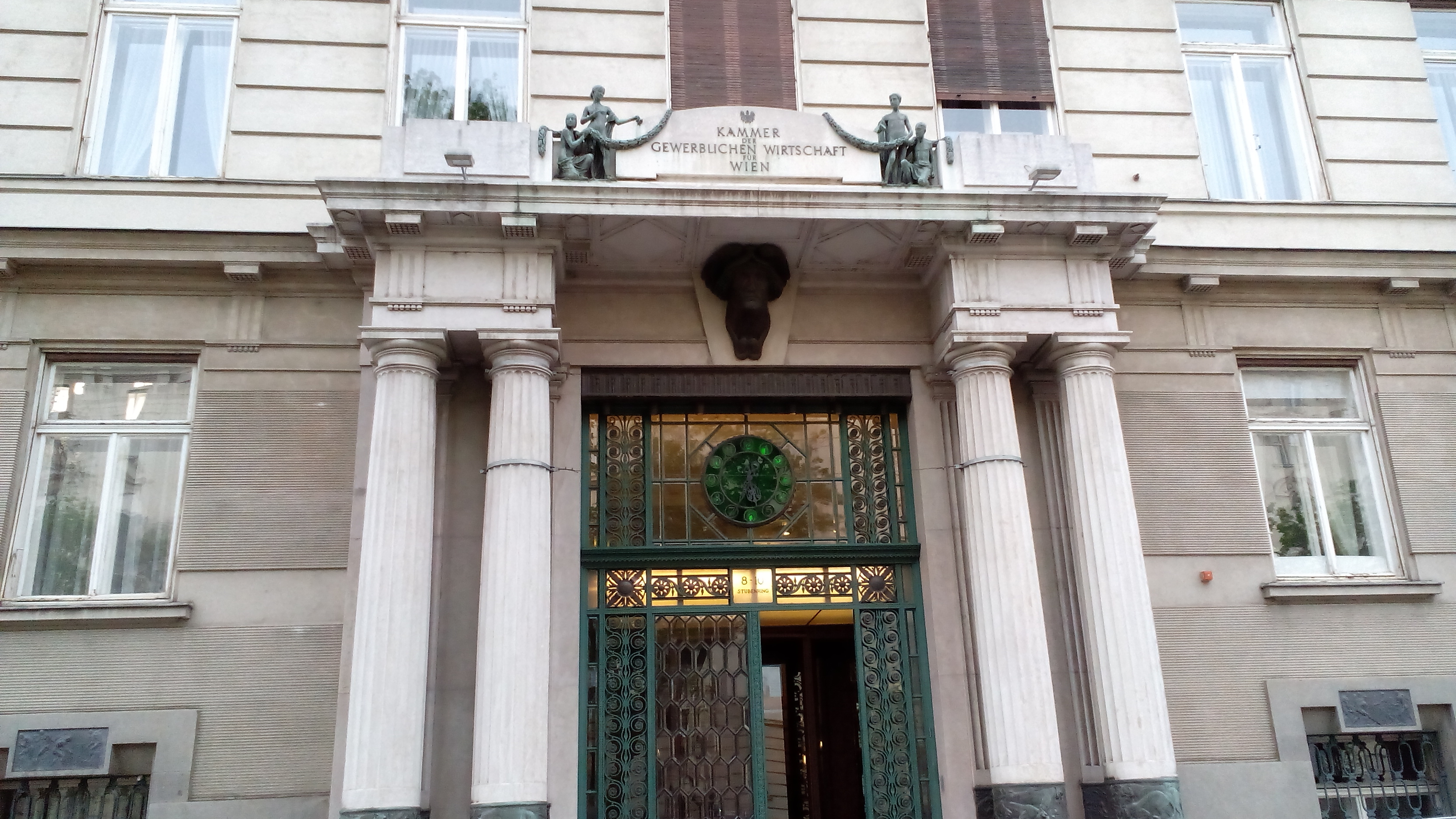
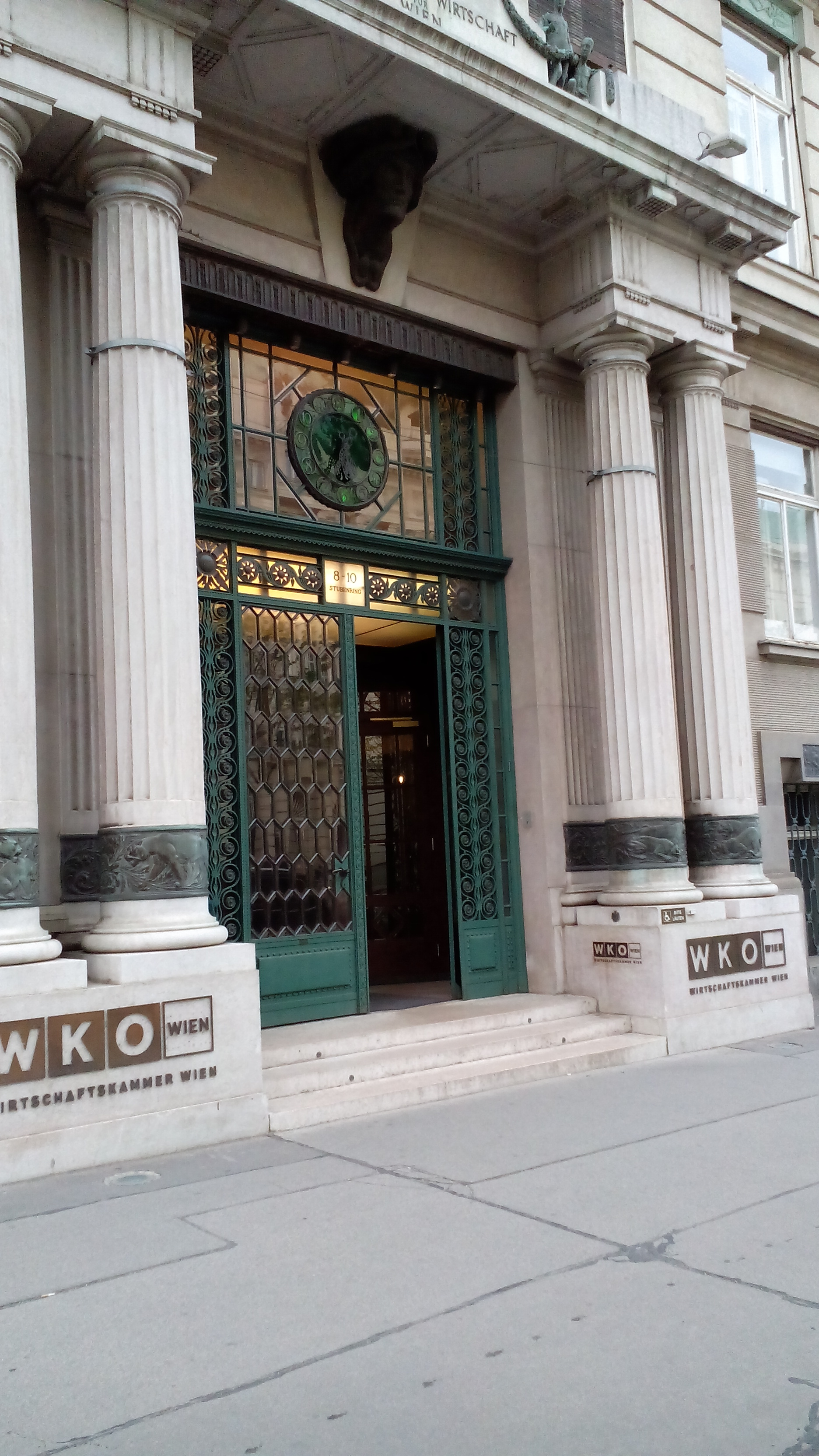
The outbreak of World War I in 1914 came as no surprise to Mises. Unlike most of his contemporaries, however, he rejected the wild nationalism and imperialism that had gripped European societies, leading to the outbreak of war and ultimately the end of the relatively liberal period in Europe. As a reserve artillery officer, he was drafted into the army and sent to the Eastern and later the Southern Fronts, with several months of pause between missions, which he spent in various wartime administrations in Vienna. Like all other participants in the war, Austria-Hungary “froze” the gold standard and embarked on money printing, massive public indebtedness, and central planning of more and more industries. The widespread shortages of food, heating fuel, and consumer goods for the civilian population, and the steadily worsening supply situation for the army, finally freed Mises from the statist illusions that interventionism brought any benefits, no matter the circumstances.
The end of the war also meant the end of the centuries-old Habsburg Empire. Franz Joseph II, long seen as a unifying figure for the many peoples living in the empire, died in 1916, and the widely proclaimed ideal of national self-determination foreshadowed the partition of Austria-Hungary. However, the same ideal was not applied in the peace treaties to the losers, and so compact groups of German-speaking populations remained within Czechoslovakia (Sudeten), Italy (South Tyrol), and in numerous enclaves throughout Eastern Europe. Furthermore, the peace treaty with Austria explicitly forbade incorporation into Germany, an idea that was highly popular across the Austrian political spectrum. This fact, along with the attribution of full blame for the war to the losers, the huge reparations, and the resurgence of protectionism, limiting the international division of labor, the movement of people, and capital, create the ideal conditions for new confrontation and war.
In this situation, upon his return to Vienna, Mises was forced to curtail his academic activities in order to participate in a number of commissions and delegations trying to settle the numerous issues of the pre-war national debt and the ownership of physical and financial assets of citizens of the new Austrian Republic in the former provinces of the country. Against the background of these events, the common monetary system also began to collapse. Still in the grip of the wartime command economy, Austrian public policy was strongly socialist, with endless subsidies for various group interests financed almost entirely by the money printing press. To protect themselves from the inflation caused by the large-scale monetary expansion in Vienna, the former provinces began to put stamps on the kroner that was in circulation in their territories. Banknotes without additional stamps were used in an attempt to purchase real assets in neighboring countries, where they were still accepted. Thus, against a sharply depreciating currency, real values are acquired, without the domestic price level rising, due to the de facto separate currency (with additional printing) in operation. This grotesque episode of redistribution of wealth at the national level with the help of the printing press actually illustrates the essence of central banking – redistribution in favor of those who first acquire the new money. We will see similar processes later in the 20th century with the collapse of Yugoslavia and the USSR.
In general, the period immediately after the end of the war was marked by chaos in all aspects of public life in the young Austrian republic. The several short-lived governments of Karl Renner included Social Democrats and Social Christians, and gradually the differences in the type of socialism they wanted to build would turn the two parties into open enemies. The famous Austrian economist (but not a representative of the Austrian School) Schumpeter was Minister of Finance in Renner's second cabinet. His efforts to establish a central bank relatively independent of the government failed under the increasingly left-wing course of the government, and he resigned in 1919. A key role in promoting socialist measures was played by Schumpeter's and Mises's fellow student, Otto Bauer. Encouraged by the brief Bolshevik experiments in Bavaria, Hungary, and the Spartacist uprising in Berlin, Bauer, as Foreign Minister and Chairman of the Social Democrats, openly advocated the idea of an Anschluss with Germany, declaring that this would mean an Anschluss to socialism. In the winter of 1918-1919, Bauer was the driving force behind the adoption of an openly Bolshevik course with the nationalization of all industry and trade. It was Mises who dissuaded Bauer from these extreme intentions after a series of midnight discussions that ultimately returned him to more moderate positions. In his memoirs, Mises rather points out as a convincing argument the fact that the Entente countries could, without a single shot, overthrow a Bolshevik government in Vienna by closing the borders to Austria, cutting off the supply of food. It is not clear whether Mises's theses were also discussed, which he would present a little later in his article "Die Wirtschaftsrechnung im sozialistischen Gemeinwesen" ("Economic Calculation in the Socialist Common Economy").
In this short article, Mises poses a series of completely practical questions that have no answer in the previous and later socialist literature. After Marx declared the utopian socialists with their ridiculous descriptions of the future society to be unscientific, all authors in his tradition competed to analyze capitalism and predict its end. A comparative study of socialism was declared unnecessary since its advent was proven by the force of natural law. Thus, the events of the late second and early third decades of the 20th century caught socialists unprepared. On the one hand, the fact that instead of in developed capitalist countries such as England or the USA, for example, a socialist revolution broke out in unindustrialized and semi-feudal Russia was a sharp contradiction with the inexorable law of the historical development of societies towards the inevitable socialism that would replace capitalism. Thus, the Russian Bolsheviks faced the task of skipping capitalism and entering directly into the highest stage. On the other hand, many European social democrats gained positions of power in their respective countries, their rejection of violent dictatorship forcing them to strive for socialism gradually, dismantling capitalism step by step.
In this line of thought, the aspiration to a socialist paradise in which scarcity has been abolished necessarily passes through the real world of limited resources. And these must be utilized in the most rational way possible if we expect to improve the living standards of the hitherto disadvantaged proletariat. Although the means of production are nominally owned by the whole of society, there is no way to reach a consensus decision on their most appropriate application by all. The management of capital goods is necessarily the prerogative of one or a few people at the top of the social hierarchy. No matter whether the decision-maker is a bloody dictator, a democratically elected government, or a group of enlightened humanists, the question of how to organize production in the most rational way possible is always on the agenda. In every society that has surpassed the stage of primitive economic autonomy, there are non-specific resources and capital goods that are subject to all possible uses and combinations. In an industrialized economy, it is impossible for one person or a limited group of people to comprehend and evaluate all the production paths that goods take before they are ready for use. The production of consumer goods is technically possible only in certain combinations of capital goods, resources, and labor, and even fewer combinations are economically feasible in the sense of the most rational use. In societies where private ownership of the means of production prevails, entrepreneurs solve this problem on the basis of the prices that arise in the market for higher-ranking goods. These in turn arise from consumer demand for final goods, and the price system thus transmits information back along the production structure about which products and services are most valued by consumers.
This coordination through the price system is excluded by definition in a socialist economy. It is precisely the differential remuneration resulting from the different contributions of people to the satisfaction of consumer needs that socialists promise to eradicate. The labor theory of value provides an obvious alternative to monetary calculation and accounting - accounting in working hours. Of course, here arises the problem of the different quality of work, which is inevitable at least until the final stage of human development is reached, in which Marx foresees the disappearance of the division of labor. Until then, however, socialist planners must also take into account the fact that different labor has different productivity. The socialization of all productive capacities leads to the disappearance of the market for them and, accordingly, the possibility of rational calculation of costs and revenues. The total neglect of the socially necessary function of the entrepreneur in allocating capital to individual sectors, which is typical not only of Marxists, lies at the basis of the naive belief that the directors of state-owned enterprises can play the market by buying and selling among themselves. Mises concludes that
"Thus, every change in the socialist economy becomes an action whose success can neither be assessed in advance nor established afterwards. Everything happens blindly. Socialism is the abolition of the rationality of the economy."
This article later grew into Mises' second treatise, published in 1922 under the title "Die Gemeinwirtschaft" (The General Economy or Socialism). The book educated a whole new generation of classical liberals in the principles of free economics. Hayek, Röpke, Robbins and others would later acknowledge that it was this treatise that freed them from the delusions of Marxism.
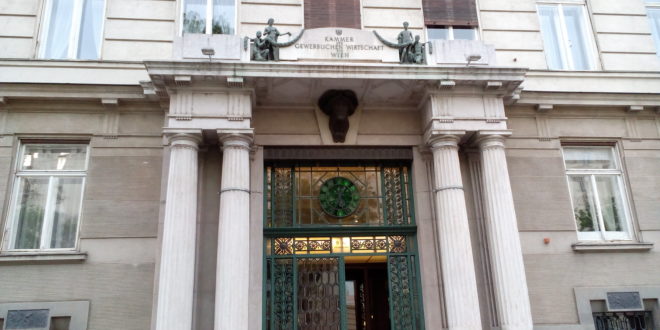
In the following years, Mises combined his work in the chamber, writing for the press, and teaching at the university with an informal seminar with some of his most gifted students. Among the participants in the so-called Mises circle (Miseskreis), we find Hayek, Striegl, Morgenstern, Haberler, Machlup, Schütz, and others. The seminar took place in Mises's office in the chamber, and the discussions usually dragged on and continued in the nearby restaurant Ancore Verde at Grünagergasse 10. Today, this location is home to an unremarkable café:

Pic11
The Mises Circle continued to meet regularly until 1934, when he accepted a teaching position in Geneva. By this time, political developments in Austria had made life in Vienna increasingly unbearable for Mises. The period 1920–1934, known as the era of "Red Vienna", was characterized by the sharpening of the opposition between the Social Democrats and the Christian Socialists. The SPÖ [AT1] had an absolute majority in the city government of Vienna, and the city's separation as an independent province in 1920 allowed them to pursue largely autonomous policies, including taxation. Although at the federal level the Social Democrats were nominally in opposition, their control of the trade unions allowed them to exert considerable influence on the central government, opposing with strikes or threats of strikes any measure they did not approve of. Having gained an absolute majority in Vienna, the Social Democrats set about tackling the ills of capitalism. The main problem at the time was the housing crisis, which was anything but a market failure. In 1917, rents were frozen by the government as a wartime measure, but it proved to be quite permanent. This, together with high inflation, reduced real monthly rents to the value of a few tram tickets. As might be expected, private housing construction came to a complete standstill, and refugees from the former eastern provinces and migrants found it increasingly difficult to find affordable housing. In a typical interventionist spiral, as Mises would later describe, the city government set about solving this centrally created problem with new centrally planned measures. Then began the massive construction of municipal housing, rented out at symbolic prices to working-class families, the vast majority of whom were their constituents. The municipality of Vienna is still one of the largest real estate owners in the world, with over 220,000 homes. These gigantic projects are financed by taxing income from mainly luxury properties (the so-called Wohnbausteuer, a highly progressive tax, where 0.5% of properties pay 45% of the proceeds), increasingly crowding out private construction. At the same time, due to lack of demand, building sites are also losing a huge part of their value. Apologists for this policy readily admit that it is a thinly veiled expropriation of building and land owners, but since they are mainly bourgeois elements (entrepreneurs, merchants and the like), the measures are fully justified.
The main source of funds at the federal level continues to be inflation, which does not reach the values as in the Weimar Republic, only thanks to Mises and several of his associates, who several times stop the inflationary pressures of the government. Subsidizing the urban working population at the expense of the rural population logically leads to an exacerbation of the opposition between the individual group interests. The main parties - the Christian Social and the Social Democratic - acquire armed wings, exceeding in numbers the army and the police for a very short time, which often demonstrate their strength by marching through cities and villages. Thus comes the end of Red Vienna under the pressure of the central government of Engelbert Dollfuss, which introduces an authoritarian regime with a strong social-Catholic bias similar to Mussolini, shortly after Hitler took power in Germany. In February 1934, a brief civil war broke out, in which the Social Democrats suffered a defeat, after which Otto Bauer fled the country with his wife and the party treasury for Paris. Dollfuss himself was killed later that year in an attempted coup by Austrian National Socialists. While the shootings in Vienna were still going on, Hitler was massing troops on his southern border, and only the threat of Mussolini's intervention prevented an earlier "Anschluss", in a little-known conflict between the later allies. Dollfuss's successor, Schuschnigg, continued repressive measures in an attempt to protect himself from being absorbed by Germany. In this climate of official censorship and ever-expanding authoritarian control, and sensing the increasingly dark days ahead, Mises happily accepted an invitation to teach at the Graduate Institute of International Studies in Geneva.
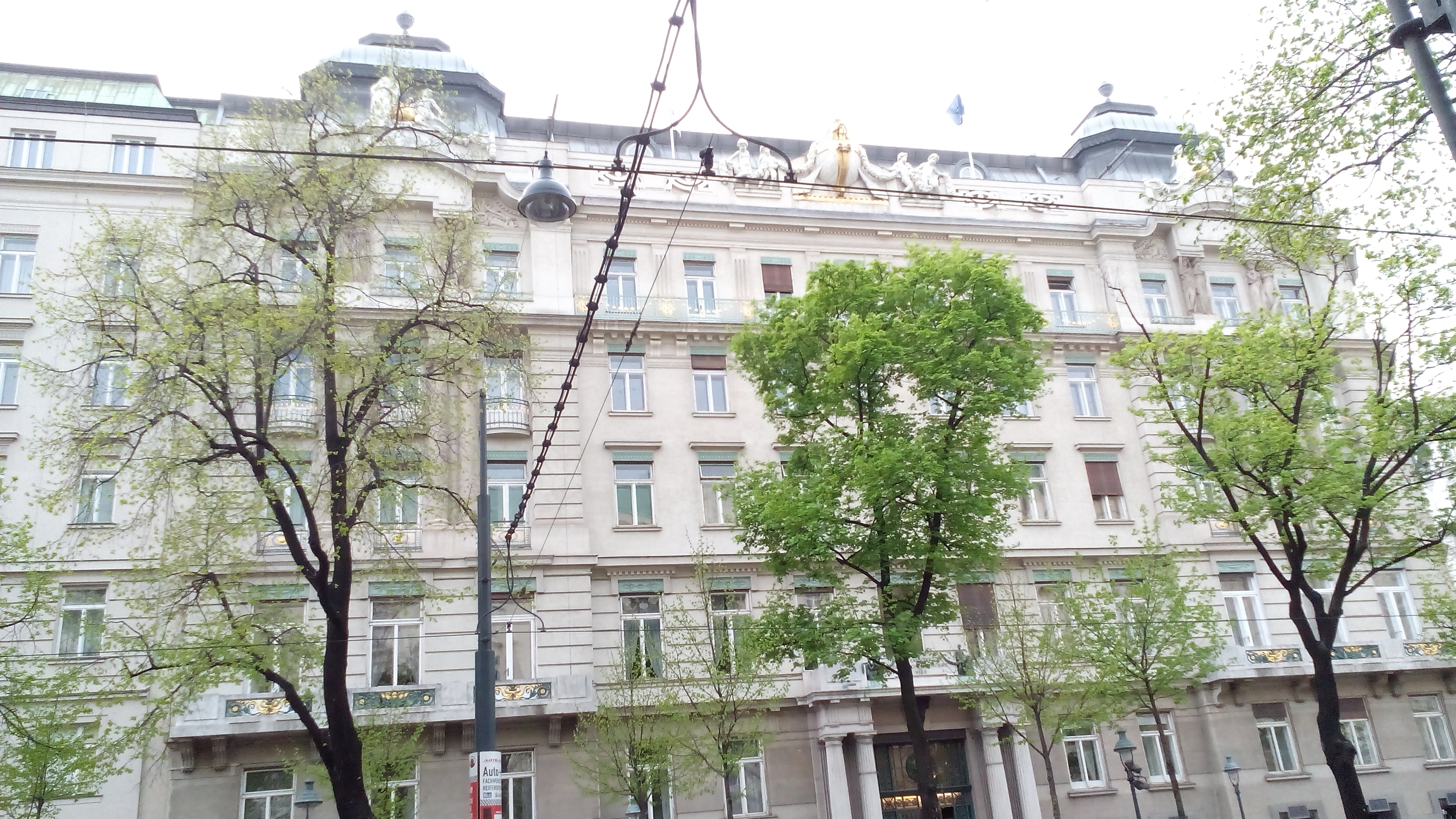
In addition to his public activities until his final departure from Vienna, Mises managed to write and publish numerous articles and the following books: Nation, Staat und Wirtschaft (Nation, State and Economy, 1919), Der Liberalismus (Liberalism, 1927), Kritik des Interventionismus (Critique of Interventionism, 1929), Grundprobleme der Nationalökonomie: Untersuchungen über Verfahren, Aufgaben und Inhalt der Wirtschafts- und Gesellschaftslehre (Basic Problems of National Economy: Studies on the Method, Tasks and Content of Economic and Social Science, 1933). Mises' last permanent address in Vienna was Wollzeile 24. According to some sources, the original building was destroyed (or at least severely damaged) during the war, and a new one was built in its place later. The rather plain facade of this address today seems to support this version:
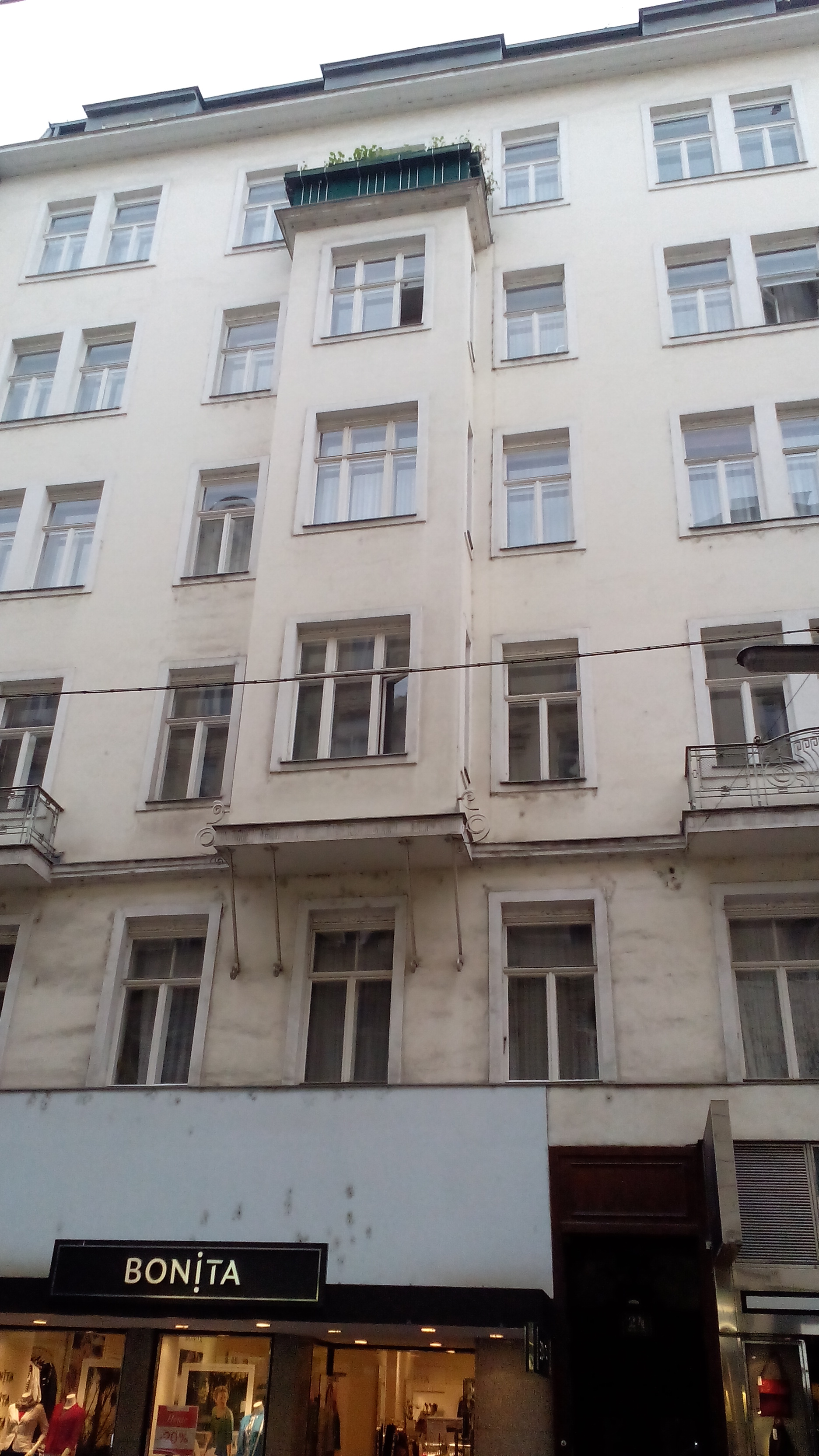
In any case, we see no visible traces of Mises at this address today.
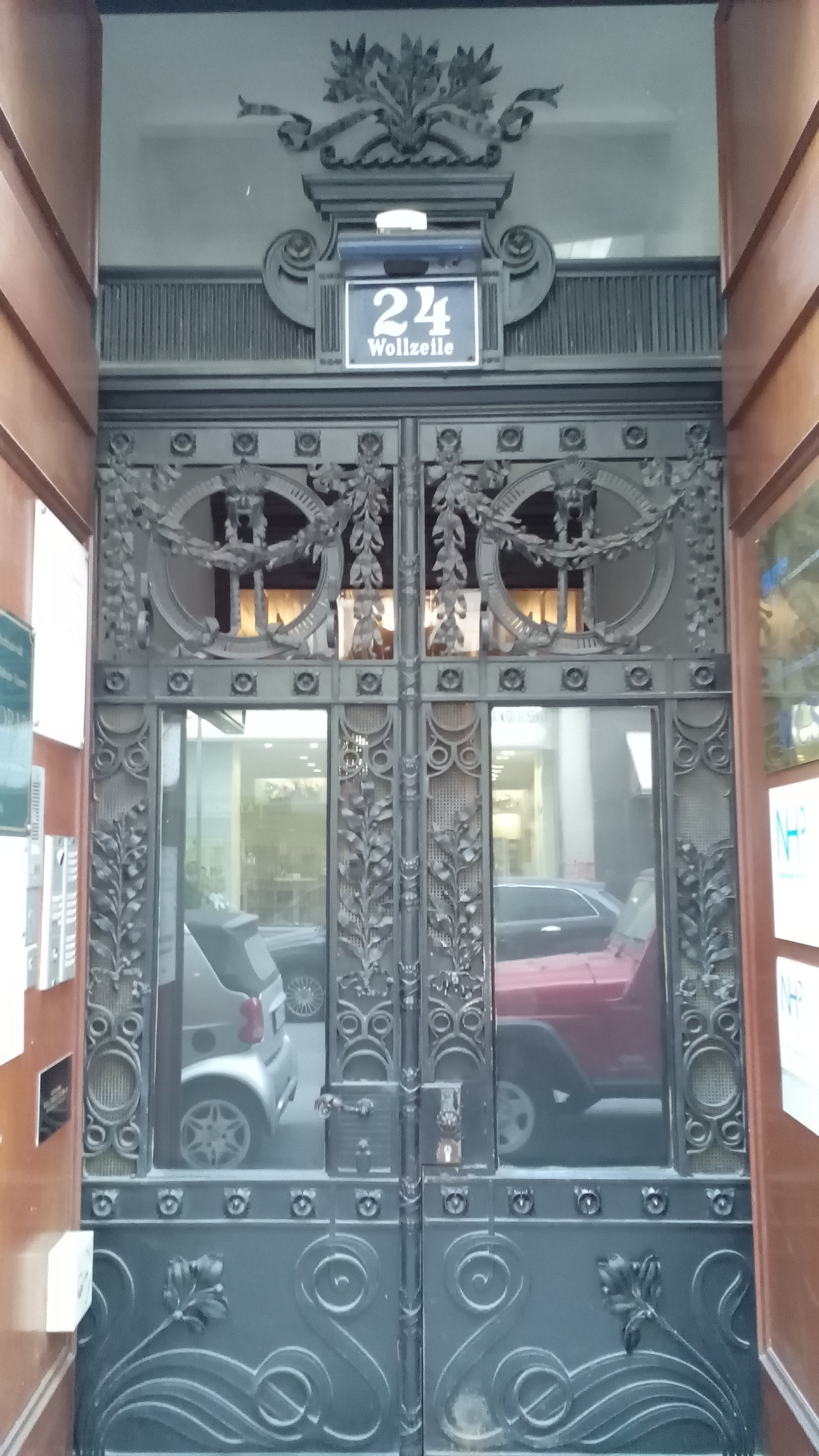
In 1938, however, the Gestapo was all too aware of who exactly lived there, and in the first days after the Anschluss his personal library and possessions were confiscated. Traces of Mises's archives were lost for the next 60 years or so, only being discovered in the mid-1990s in a declassified war booty warehouse in Moscow. Both the National Socialists and the Communists clearly appreciated Mises's importance and the resulting danger to their ideologies.
After Gestapo agents began to pursue him in Switzerland during the war, Mises emigrated to the United States, where he almost single-handedly managed to preserve the Austrian School by publishing in 1949 the synthesized product of about 50 years of research - "Human Action". Today, the most prominent "Austrians" are almost without exception Americans, and only in recent decades has the Austrian School begun to take root again in Europe and in particular in the German-speaking world.
First part of the article - HERE